
Iraq
U.N-defined country
Explore all Articles
filter by–Region
filter by–Country
search by–Keyword
Is the Battle for Fallujah a Battle Against Fallujah?
06.15.16
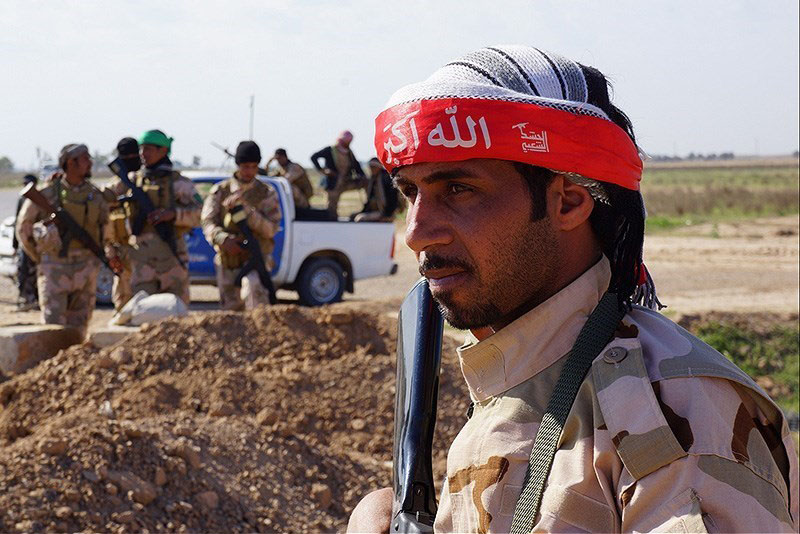
Fallujah, located 40 miles west of Iraq’s capital, Baghdad, has long been known as the “city of mosques.” But since its capture by the Islamic State in Iraq and the Levant (ISIL), Shia militias fighting to take the predominantly Sunni city have bestowed other epithets on Fallujah. One militia leader compared it to a “tumor” […]
Scorched Earth in Iraq and Syria
04.5.16
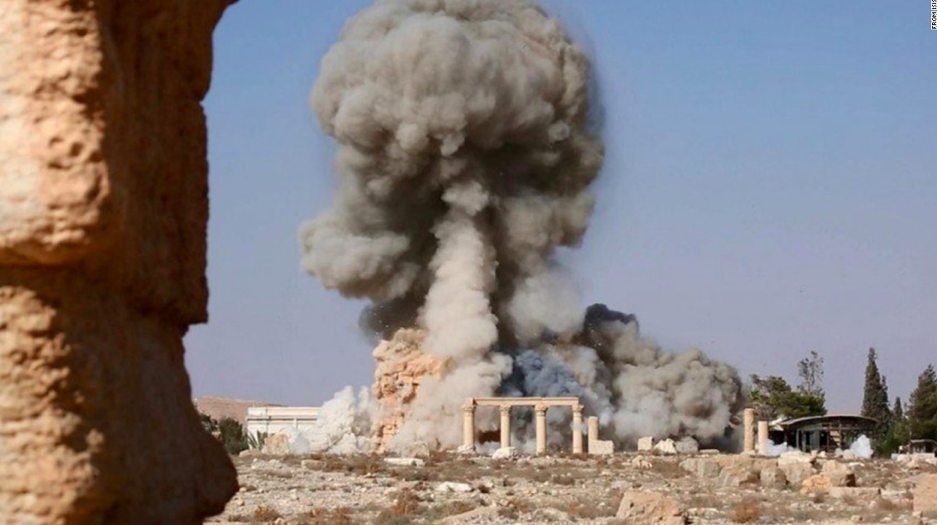
This week’s ouster of so-called Islamic State (ISIS) forces from the Syrian city of Palmyra sparked cautious optimism from some observers. Aside from the destruction of the city’s ancient ruins, Palmyra appeared less damaged than had been originally feared after its takeover by the Islamic State. Yet under the surface of this reclaimed land lies […]
Sectarianism and Conflict: Legacies of the Iran-Iraq War
04.2.16
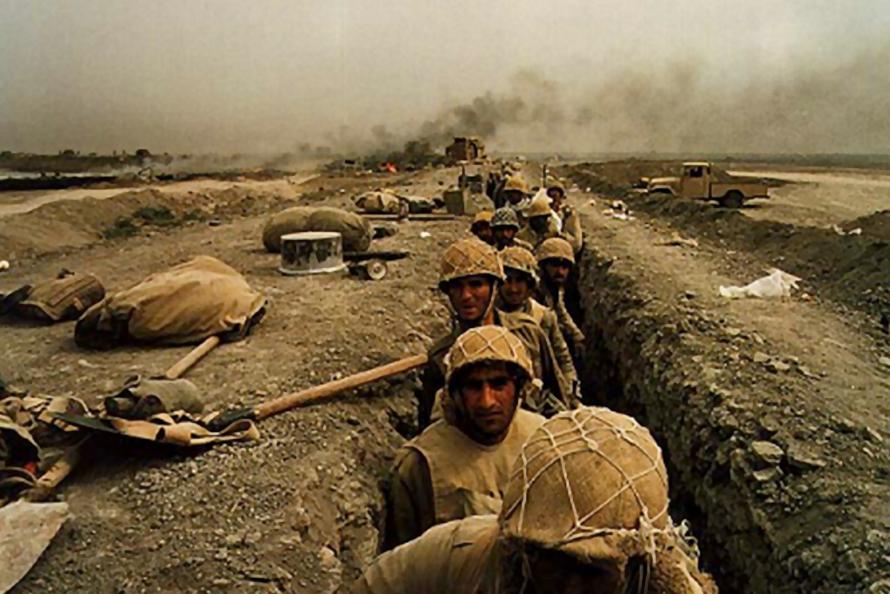
During the Iran-Iraq War, which was set off with the Iraqi invasion of Iran in 1980 and which ended in 1988, sectarian ideology was used profusely, both as a tool for propaganda and to help both nations in strengthening their positions. The Sunni versus Shia framework was used as the pretext by Saddam Hussein for Iraq’s […]
Interview with Amir Ashour, Founder of Iraqueer
02.4.16
Amir Ashour is a human rights activist and the founder of Iraqueer, the first and only organization for the LGBTIQ+ community in Iraq and Kurdistan region. IraQueer aims at increasing the visibility and the awareness amongst and about the local LGBTIQ+ community. In a region where homosexuality is criminalized and queer people face horrific violence, […]
Paradigm Shifts Between Iran and Iraq
12.13.15
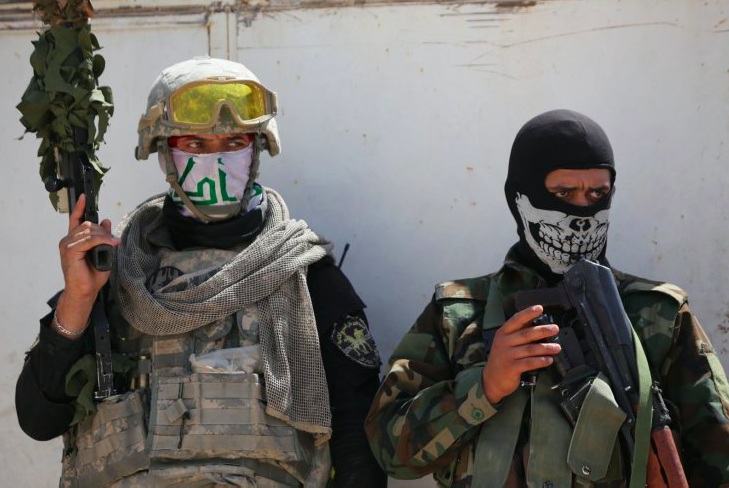
Introduction The Islamic State of Iraq and the Levant (ISIL) has strategically used Iraq’s unstable geopolitical and security landscape to rise from obscurity to become a powerful and ruthless organization. This terrorist organization has developed the capability to acquire vast stretches of territory and intends to continue expanding. As a result of its territorial ambitions […]
Policy Isn’t Enough: Campus Sexual Assault in a Middle Eastern Context
11.21.15
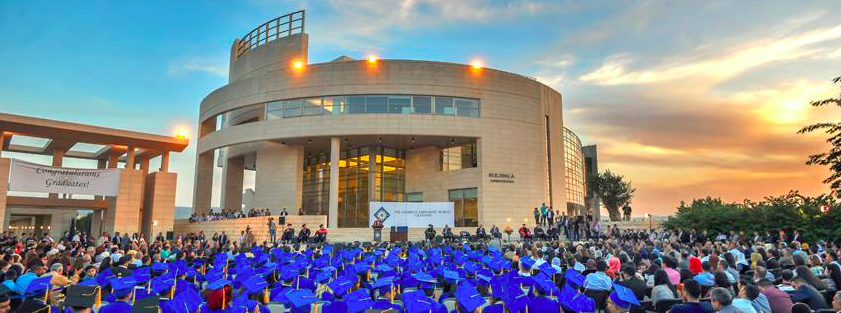
As public awareness has risen about the dismal state of sexual assault prevention and response on college campuses, American universities have scrambled to improve their policies and programming. As administrators at a university in Iraqi Kurdistan with an American-style educational system, we decided to be proactive and create a sexual misconduct policy laying […]

Kurdistan: A New Player in the Middle East?
11.13.15
The Fletcher School’s Fares Center for Eastern Mediterranean Studies had the pleasure of hosting Bayan Sami Abdul Rahman, the Kurdistan Regional Government’s (KRG) Representative to the United States, this past week. Her father, Sami Abdul Rahman, was a former deputy prime minister of the KRG and a leader in the Kurdish struggle against Saddam Hussein. Ms. […]
The Prospects and Perils of the Coalition’s War on ISIS
08.28.15
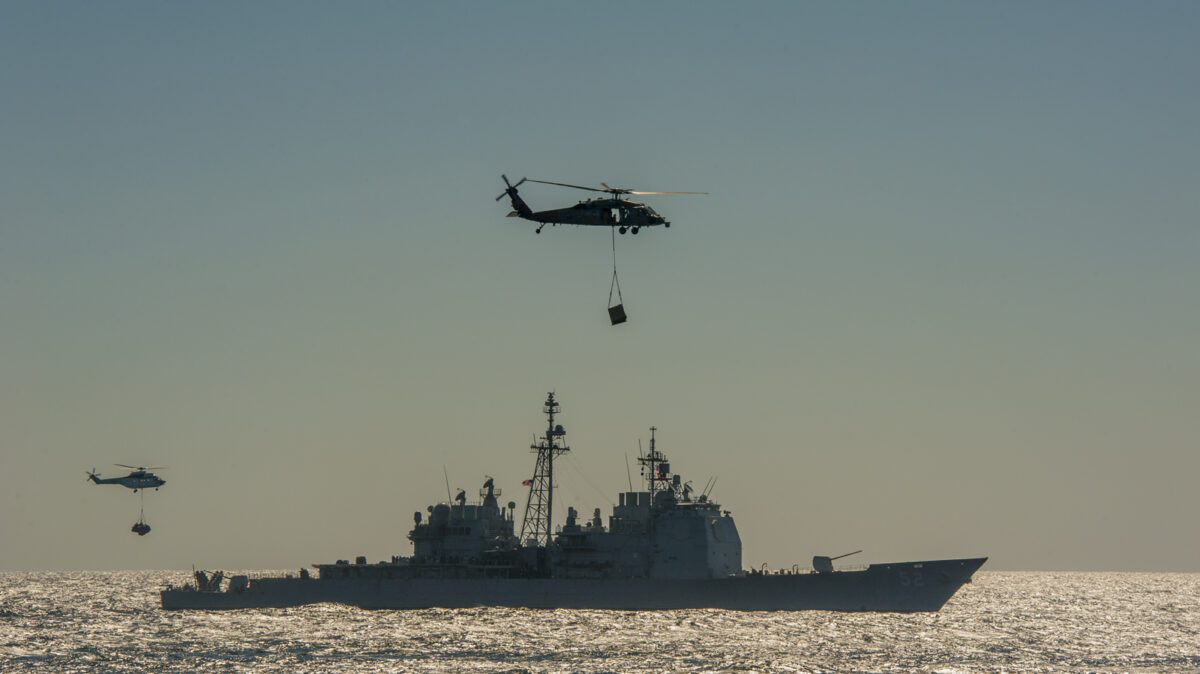
Introduction The Islamic State of Iraq and Sham (ISIS) is a product of Iraq’s and Syria’s sectarian polarization, political dysfunction, and the alienation of the local Sunni population from the Iraqi and Syrian regimes. The US-led anti-ISIS coalition was triggered by the jihadists’ capture of Mosul, Iraq’s second largest city, in June 2014.[i] While dramatic, […]
The Line in the Sand: Is Sykes-Picot Coming Undone?
07.13.15
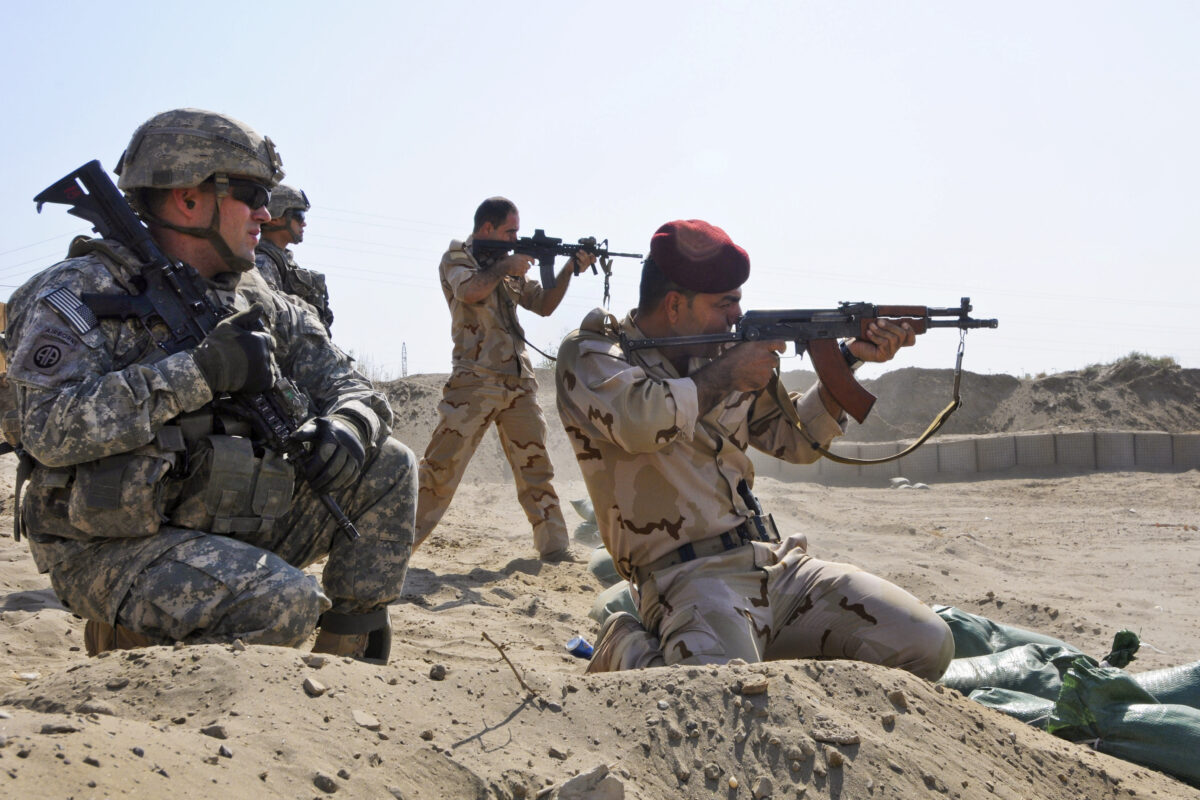
As civil strife and conflict have curtailed the reach of Baghdad and Damascus, a popular notion has emerged suggesting that the artificial colonial-era boundaries of Iraq and Syria are collapsing. The popular and mistaken refrain is that the Sykes-Picot Agreement is unravelling. This has engendered a number of misguided suggestions that the borders of the […]
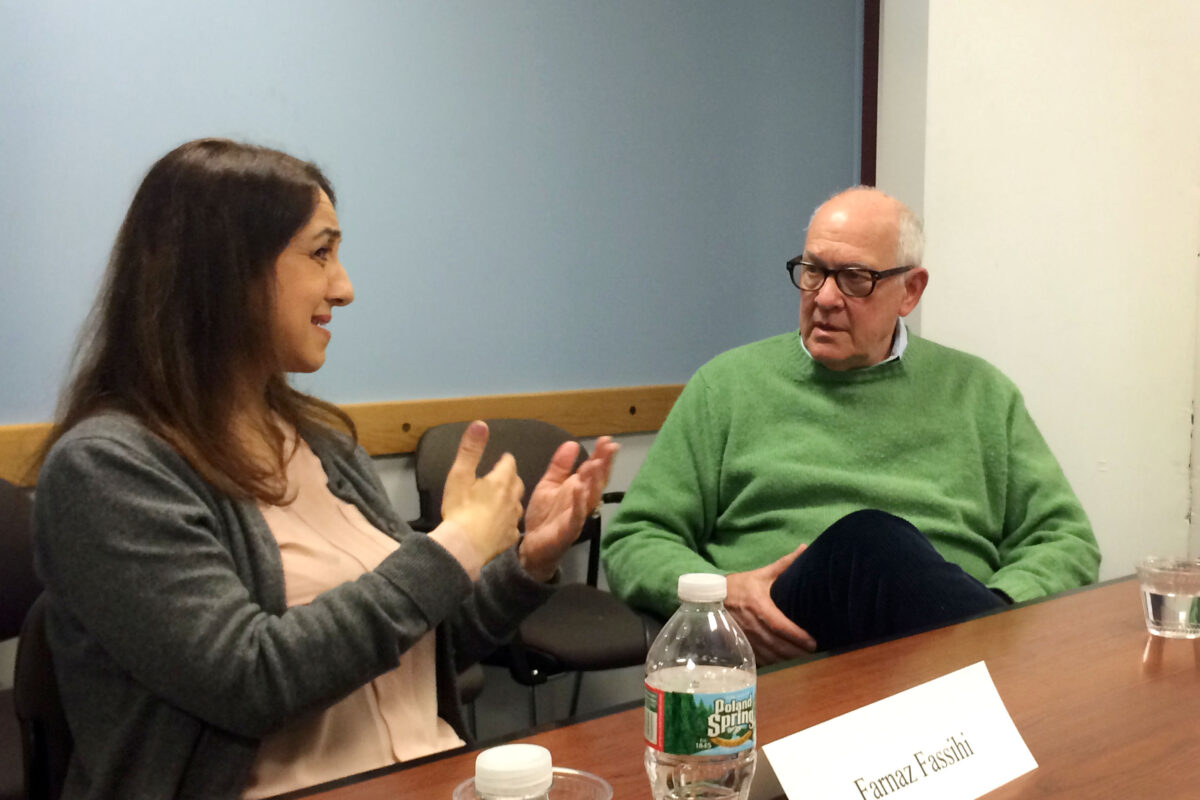
Changing Coverage in the Middle East: One Journalist’s Perspective
03.29.15
Covering the Middle East has fundamentally changed in the last decade, said Farnaz Fassihi, senior Middle East correspondent for the Wall Street Journal at a Shorenstein Center event. Increased security threats toward journalists in the Middle East and the quick turnaround times required for digital publishing have made it more difficult for Middle East correspondents […]
Preventing Unilateral Actions: How to Exercise Preemptive Self-defense within the Scope of International Law
03.5.15
BY YASIR GOKCE The United States has been employing preemptive self-defense as a justification for use of force as it carries out its war on terror. Preemptive use of force became a national security strategy under the Bush administration following the terrorist attacks of 9/11. As part of this strategy, there have been many instances […]
No One Left Behind
07.4.14
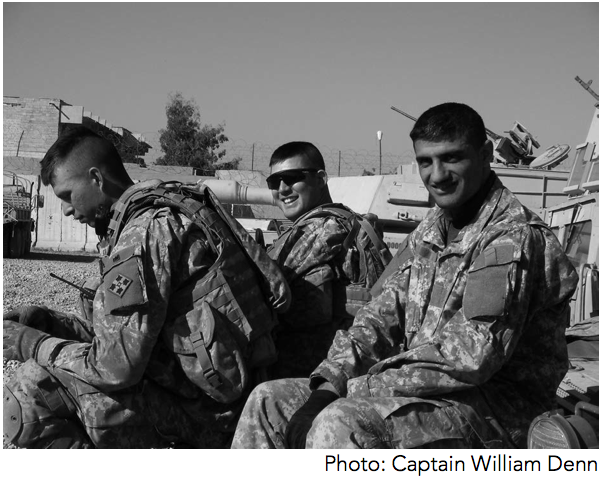
BY WILL DENN Fahim Muhammad believed that until the Taliban were defeated, Afghanistan, his homeland, would never be safe.1 In 2006, despite the objections of his wife and two children, Fahim dropped out of school to become a U.S. military interpreter. Because of his excellent command of English, Dari, Pashto, and the obscure Nuristani language, […]