
Latest Article

Addressing Crisis Pregnancy Centers in Wisconsin Through Gubernatorial Action
With this limited window for change, the governor of Wisconsin must advance efforts to bolster reproductive health and combat CPCs by January 2027, before his current term concludes.Explore all Articles
filter by–Region
filter by–Country
search by–Keyword

Menstrual Equity in US Prisons and Jails: A Gender-Based Analysis and Policy Responses
07.18.22
Summary Across the United States, many incarcerated people have inadequate access to menstrual products. Because policies that surround requiring access to menstrual products vary from state to state, incarcerated menstruators are denied “menstrual equity,” or sufficient access to menstrual products regardless of their circumstances.[1] One reason for the lack of inclusive policies regarding menstruation is […]

Expanding Postpartum Medicaid Coverage: A Racial and Gender Justice Imperative
07.11.22
American society was not built for birthing people to thrive—or at times even to survive. The United States lacks paid parental leave and universal childcare policies and has the highest rate of maternal mortality among all industrialized countries. There are stark racial disparities in the maternal mortality rate in the United States: Black mothers die […]

COVID-19 Policy-making Failed U.S. Workers: Labor organizing can deliver where legislators have stalled
07.5.22
The pandemic prompted many to think about how work shapes our own lives. It also highlighted how reliant we all are on the labor of others. While higher paid workers transitioned to remote work, others had little choice but to continue going to their jobs in person. These workers exposed themselves and their families to […]
Intent to Destroy: Reproductive Violence against Uyghurs as a Weapon of Genocide in China
07.5.22
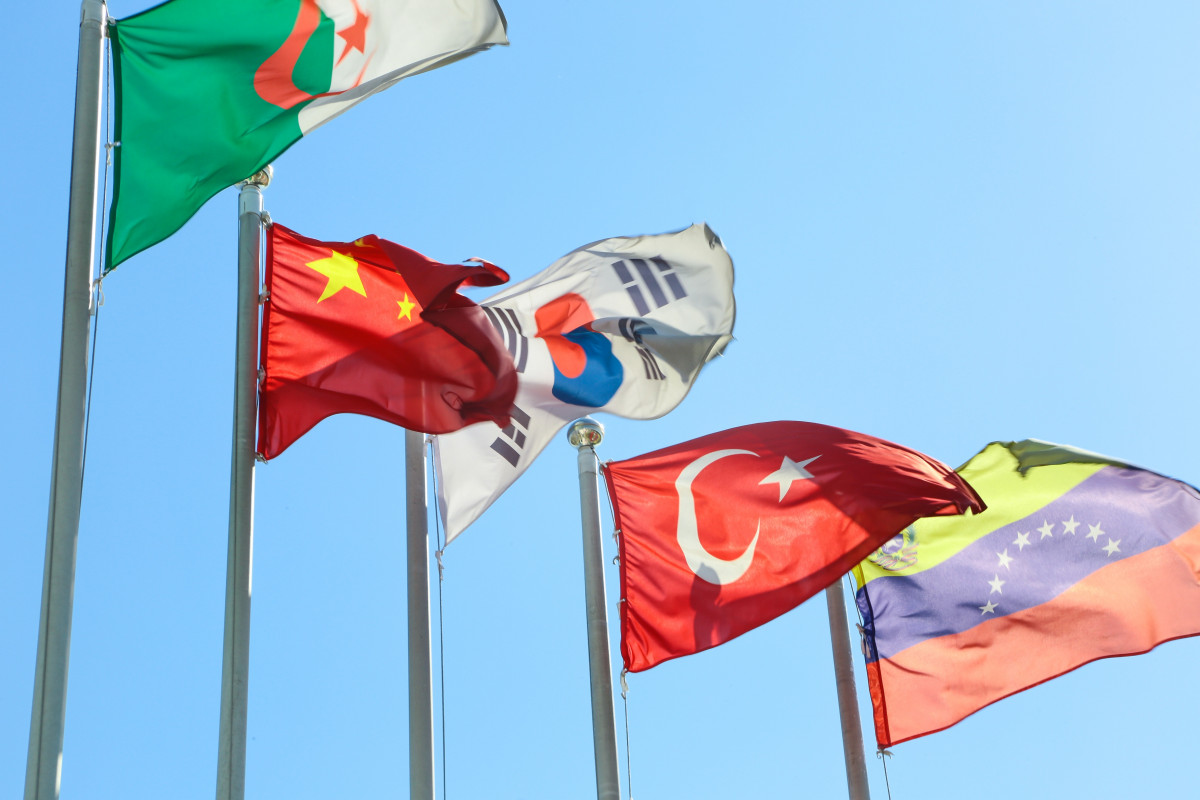
Background China is a multi-ethnic country comprising 56 ethnic groups, with the predominant religion being Buddhism. The Han ethnic majority group represents 91.5 percent of the population, while 55 ethnic minority groups account for 8.5 percent.[i] Uyghur Muslims represent 0.31 percent of China’s population. The Xinjiang Uyghur Autonomous Region, located in China’s northwest, is the […]

Reasons to Doubt the “End of Streaming” in Singapore
07.1.22
Will the introduction of Full Subject-Based Banding (FSBB) eliminate streaming in Singaporean schools? Cameron Kheng argues that the policy does not succeed in doing so, risking many of the same inequalities that a system of streaming had been criticized for perpetuating. He identifies ways to improve FSBB, reflecting on how to push the policy beyond its underlying logic of economic pragmatism.

Embryo Donation: Prospective Parenthood, Fetal Personhood, and the Reproductive Justice Framework
06.27.22
Introduction Assisted reproductive technology (ART) has become a common part of modern American life. A third of American adults have either undergone some form of fertility treatment or know someone who has.[1] While few Americans bat an eye at the idea of a child born as a result of sperm donations or in vitro fertilization […]

Co-owning Care Work: Policy for Parity
06.20.22
For every 5 hours the average Indian woman spends on unpaid care work in a day, a man spends half an hour—a ratio over three times the global average.[i] Changing this ratio can dismantle entrenched gender roles and arrest the declining participation of women in India’s paid workforce. Alarmingly, between 2006 and 2021, India’s female […]

Connecting schools to reduce student’s dropout: A Peruvian case
06.15.22
Over the last 50 years, schooling expanded dramatically in most low- and middle-income countries, however, some disparities still remain, and have even been exacerbated by the Covid-19 pandemic. In Peru, even though in 2019, 97% of children between 6 and 11 years old had access to primary education, 13% of youngsters between 12 and 16 […]

How a Tweak by the SEC Could Help Address Gender and Racial Pay Gaps
06.6.22
A mantra we hear almost daily from corporate titans everywhere is, “People are our most valuable resource.” There is evidence to back up this claim. In 1975, 83% of the value of an S&P 500 company was tied to its physical assets. By 2015, that statistic had completely inverted, and human capital represented 84% of […]

Storytelling and Narrative: Challenging Systemic Racism as Asian Americans
05.30.22
INTERVIEW WITH KEN LIU Photography from New York Times Magazine What does it mean to be an immigrant? What does it mean to have your story be misunderstood and taken away from you? That you feel like you cannot tell your own story? That’s how a lot of immigrants feel—that they cannot tell their own […]

Representation, Redistribution and Revolution: A Conversation with Viet Thanh Nguyen
05.27.22
INTERVIEW WITH VIET THANH NGUYEN BY CAT HUANG Photograph: Joyce Kim/New York Times/Redux/Eyevine Is the principle of AAPI self-recognition and the demand for recognition? Or is the principle for AAPI an ever-evolving struggle for justice? These are two very separate things that have been implicated and intertwined in AAPI history to the extent that one […]
Mobilizing Our Community: Reflections on Civic and Electoral Engagement Among AAPIs in Recent Years
05.23.22
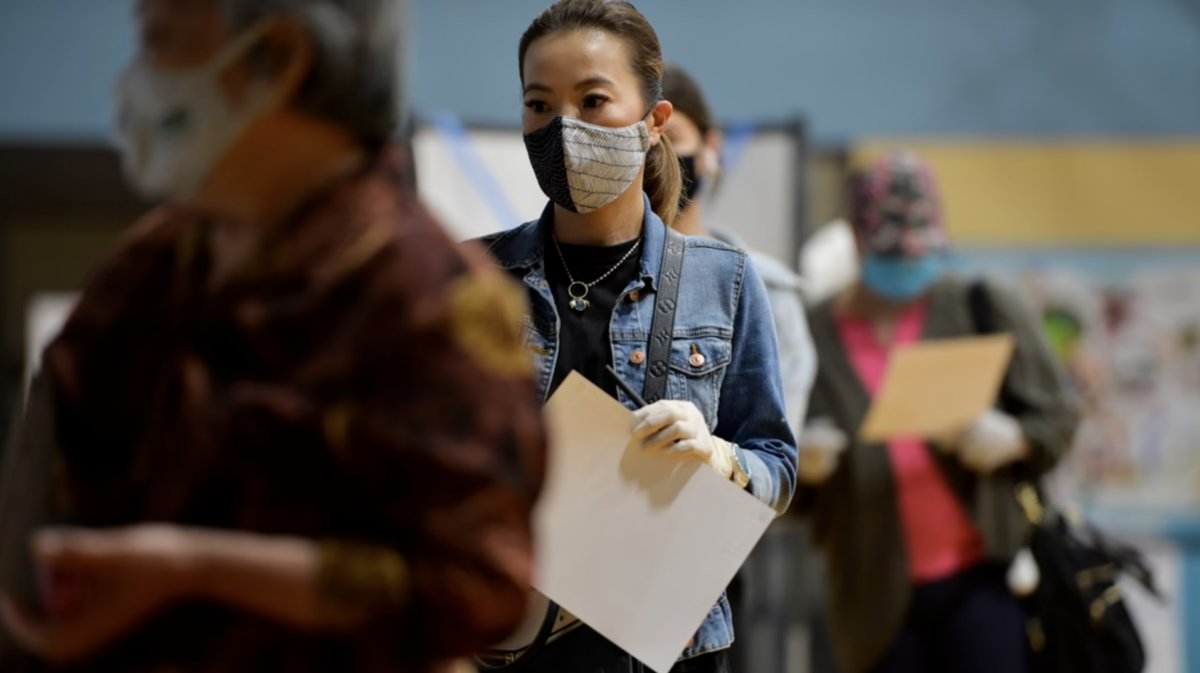
INTERVIEW WITH CHRISTINE CHEN Photography by The Atlantic This piece was published in the 32nd print volume of the Asian American Policy Review. This interview has been edited for length and clarity. I am hopeful just because I saw so many people leaning in, especially this new, larger generation that’s coming up. But it’s now […]