Healthcare
What should government’s role be in providing healthcare? How do politics affect health policymaking? How can we lower the costs of healthcare in the United States?
Latest Article
To Be Effectively Digital, We Need to Be More Human
I sat at the dining table on Christmas Eve, ready to meet my aunt at her favorite steak restaurant. When she arrived, she seemed frustrated and exclaimed, “Marvin, I don’t understand what is happening. I need to make a medical appointment and pay my bills. I can’t seem to do that now.” It was not […]Explore all Articles
filter by–Region
filter by–Country
search by–Keyword

U.S. Sanctions Worsen COVID-19 Impact in Iran
04.22.20
As countries across the world struggle to contain and mitigate the spread of COVID-19, Iran’s battle with the virus has been compounded by the lack of access to adequate medical supplies imposed by the U.S. government’s crippling sanctions on the country. Iran is amongst the countries most impacted by the outbreak of COVID-19. As of […]
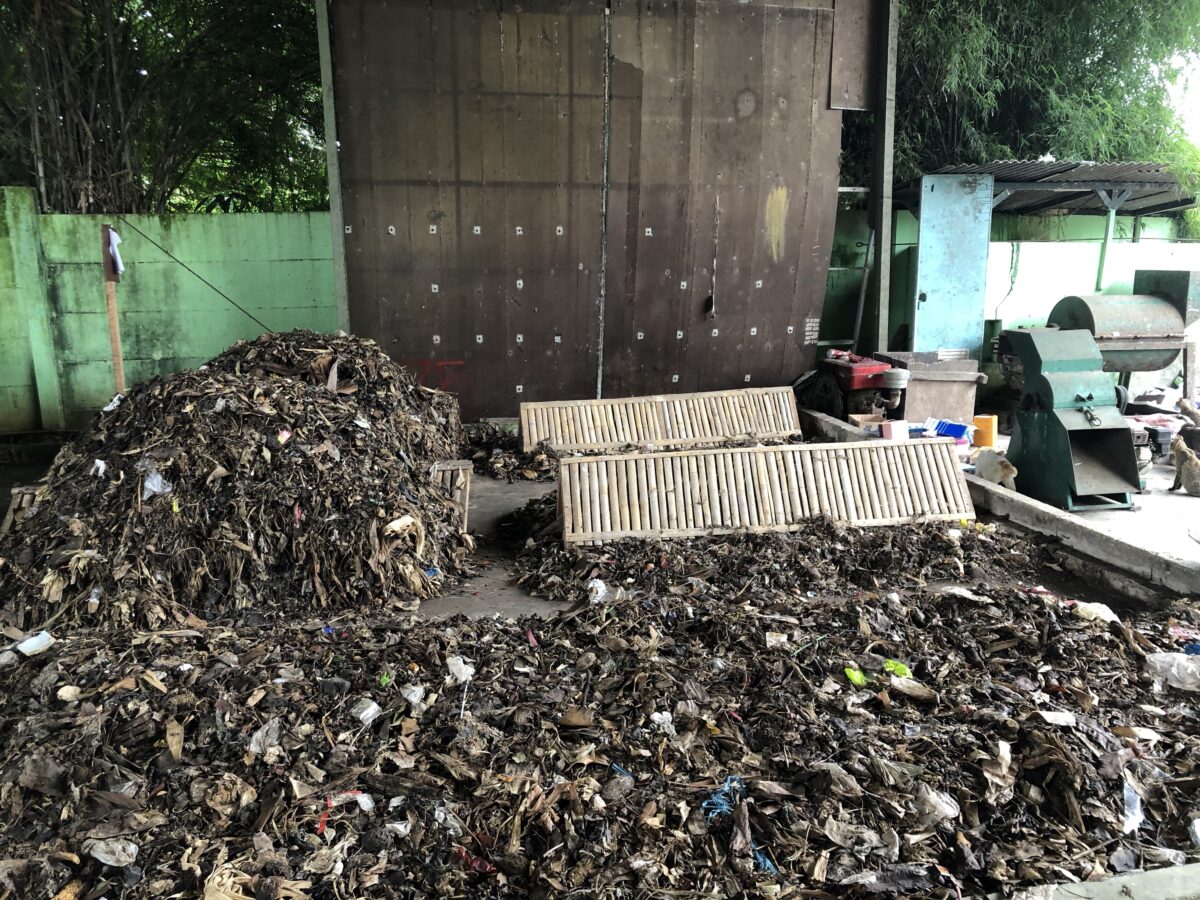
Elevating Trash Talk: Addressing Jakarta’s Organic Waste Problem
04.15.20
Every year, we throw away about one-third of the world’s food. This is the equivalent of USD 936 billion, more than the Netherlands’ entire GDP.1 Most of this food is dumped in landfills where it decomposes and produces greenhouse gases (GHG). In 2010, the Intergovernmental Panel on Climate Change (IPCC) estimated that about 3 percent […]

Digital Disparities in the Time of Coronavirus
04.10.20
The pandemic is revealing the severe inequities caused by our nation’s digital divide. It is crucial that we invest now to address them. Long before COVID-19 shut down physical campuses and banned in-person gatherings, my life as a graduate student relied heavily on the internet. Due to swift action taken by my school’s leadership, faculty […]
Will There be a Nouveau Poor?
04.5.20
Al Lim looks at how COVID-19 exacerbates existing vulnerabilities that small business owners already struggle with and considers how government support mechanisms can – and should – be deployed to help them cope with both the ongoing effects and aftermath of the pandemic.
Coronavirus is not just a Global Crisis – it’s also a Women’s Issue
04.3.20
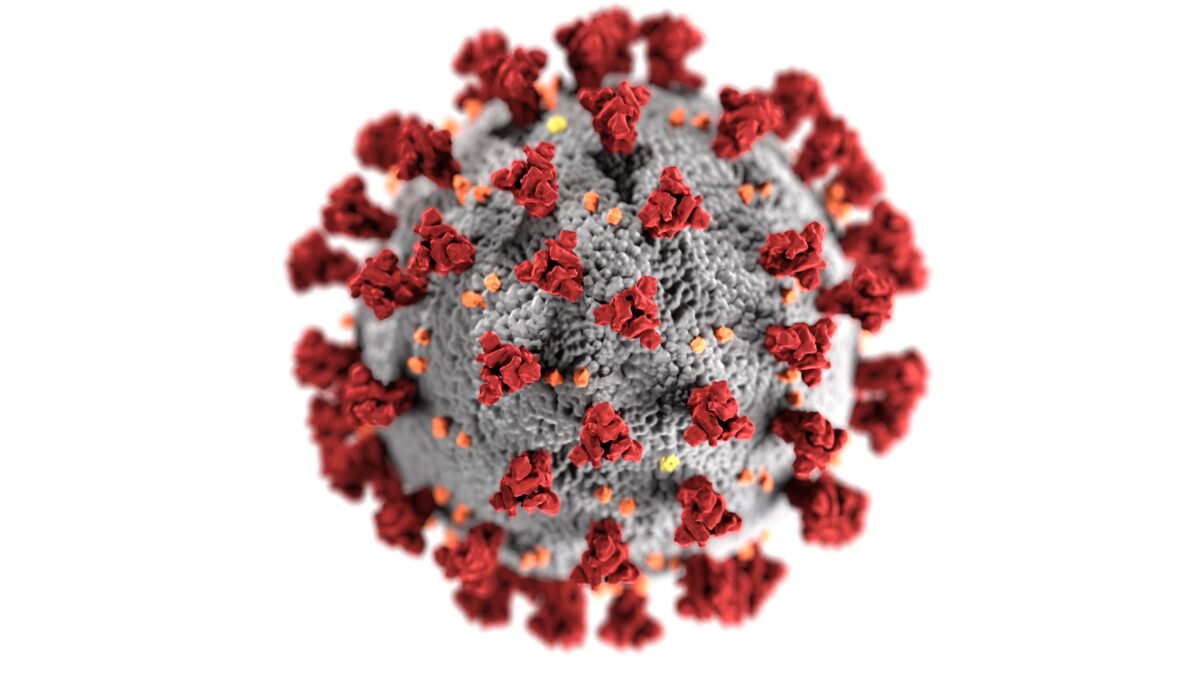
The conversation about coronavirus covers the impact on the economy and healthcare system. What is absent from this conversation is the impact on those most burdened by COVID-19’s global disruption – women. Coronavirus coverage is starting to feel like a wall of noise – a hum of threat, change, and fear that is hard to […]
Dr. John Nkengasong (Director of Africa CDC) discusses Covid-19 in Africa
04.1.20
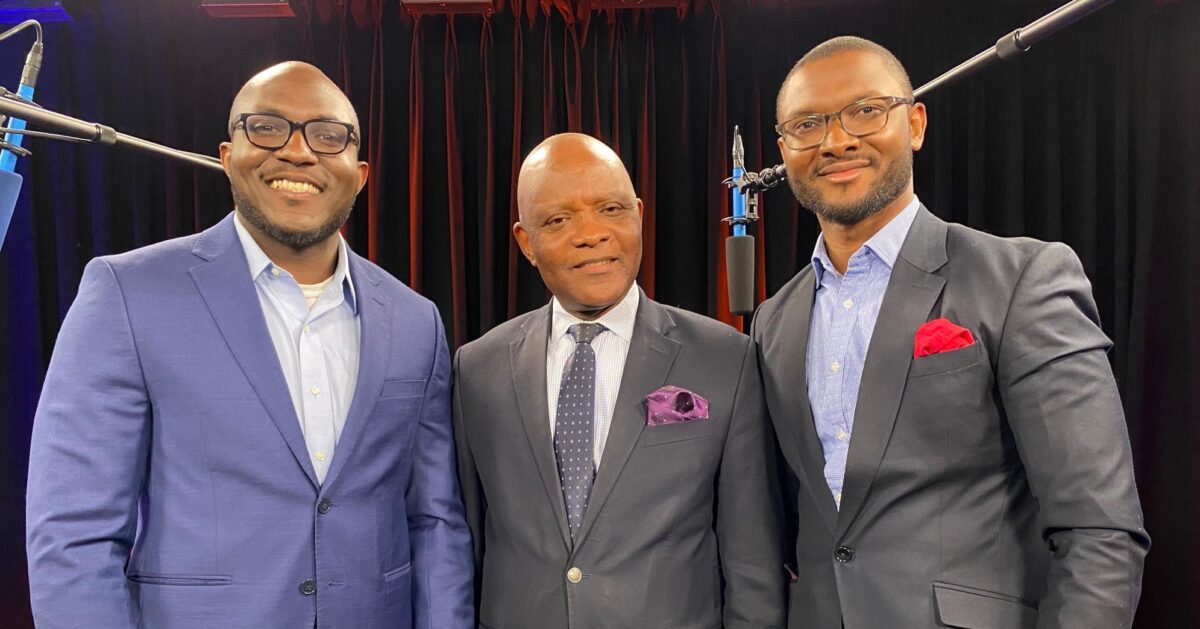
During his recent visit at the Harvard T.H. Chan School of Public Health, Dr. John Nkengasong answered APJ’s questions regarding the coronavirus crisis pandemic. Interview with Dr. John Nkengasong (Director, Africa CDC) on COVID19 – March 2020 from Harvard African Studies on Vimeo.
Op-Ed: To effectively combat COVID-19, Africa needs to play offense
03.30.20
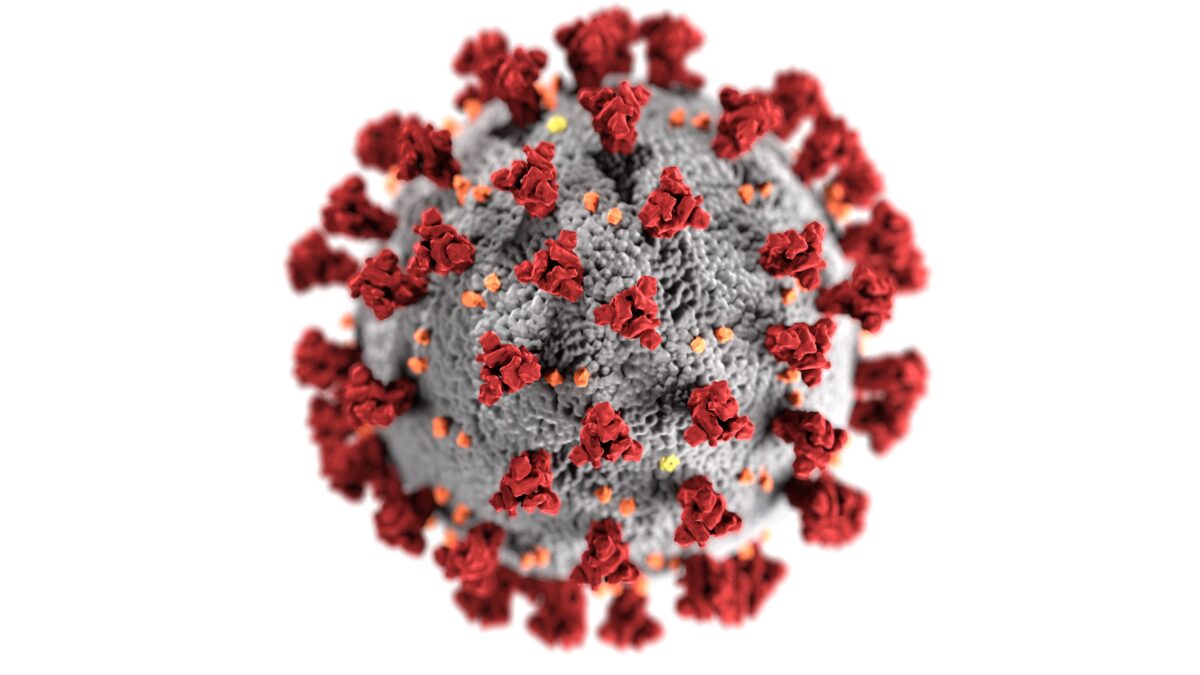
I am worried about Africa’s preparedness for the COVID-19 outbreak, and so should everybody else. As at the beginning of March, there were only four cases in Africa spread across Egypt, Algeria and Nigeria. Since then, at least 46 out of 54 countries in Africa have reported cases of COVID-19. On March 28 2020, roughly four […]
Citizenship in Crisis
03.28.20
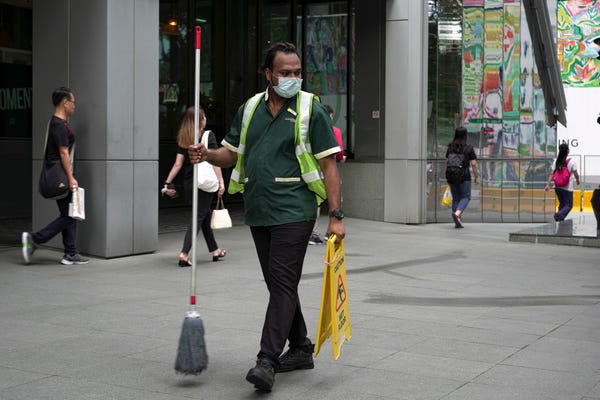
What happens to citizenship when crisis disrupts the state’s ability to fulfil its obligations to its citizens, or when citizens find themselves unable to depend on their states for a meaningful guarantee of protection in times of need? Using the emergent COVID-19 pandemic as a lens, Theophilus Kwek considers how states, including Singapore, can do better in caring equally for their citizens – and how citizens can also support each other.
Il/licit Intimacies: Why The State Regulates FDW’s Intimate Lives
03.5.20
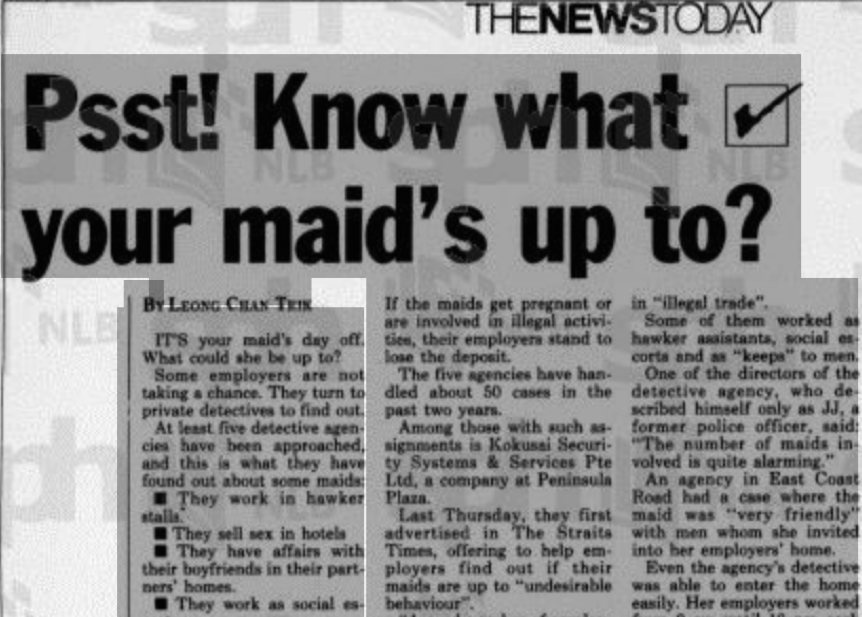
In Singapore, foreign domestic workers (FDWs) on Work Permits are subject to various bio-political restrictions: namely, restrictions that govern who they can marry and whether they can be pregnant.
What explains these restrictions, and why is the state so invested in policing the private intimacies of foreign domestic workers? Poh Yong Han traces through parliamentary debates and newspaper articles to show how these restrictions are informed by a neoliberal philosophy that informs how we view citizenship, and unpacks its consequences.
Solitary Confinement is Torture, Not Protection
03.5.20
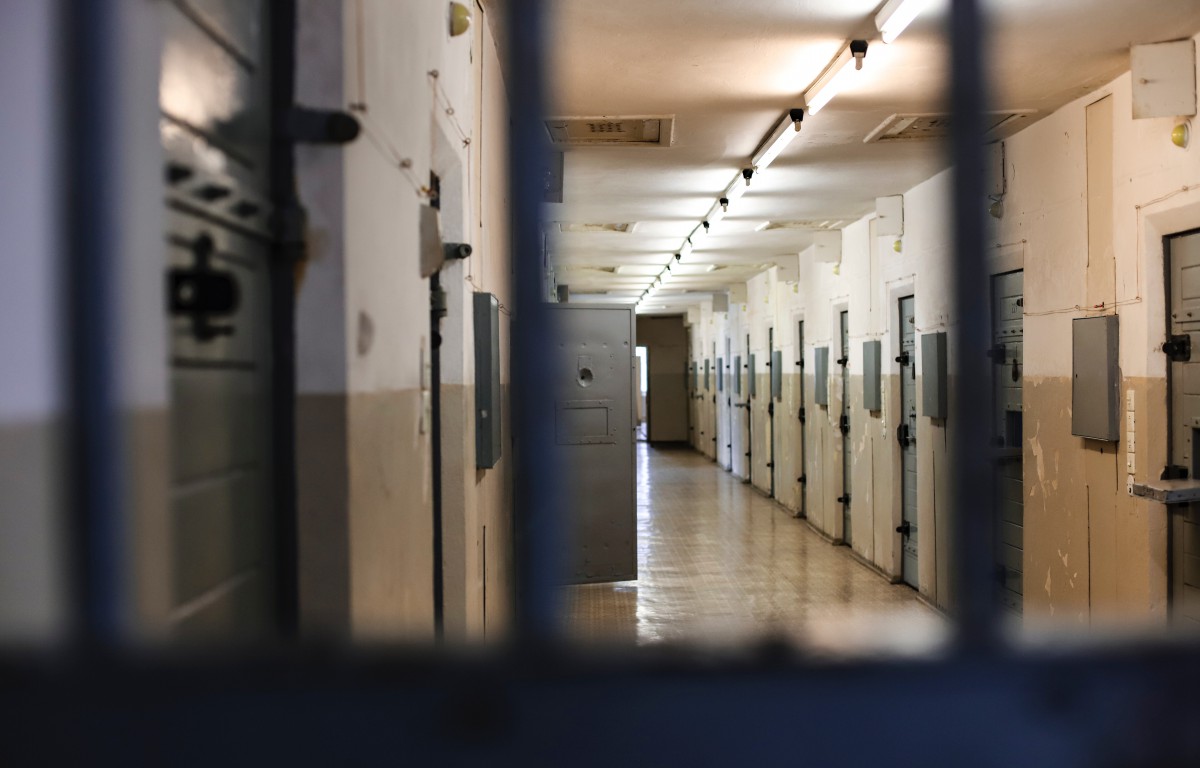
Ellie,[1] a young trans woman from Central America, sits across a small table from me in blue men’s scrubs, hair cut short and eyes downcast. It’s taken hours to shuffle her from the solitary confinement unit to this cold, windowless room, where I am to help her prepare her pro se asylum case. She’s […]

S3E4: (Th)interventions for (Th)inspiration? Policy Responses to the Rise of Pro-Anorexia Websites
02.13.20
Listen Here! We know about the dangers of the Dark Web, but what about the Thin Web? First Year Kennedy School Students Lucy O’Keeffe and Nagela Nukuna sit down with Andrea Alvarez Marin to discuss vulnerable corners of the internet where eating disorders such as Anorexia (“Ana”) and Bulimia (“Mia”) proliferate. Some of these “pro-Ana” […]
A Prescription for Change: Voter Registration in Emergency Rooms
02.13.20
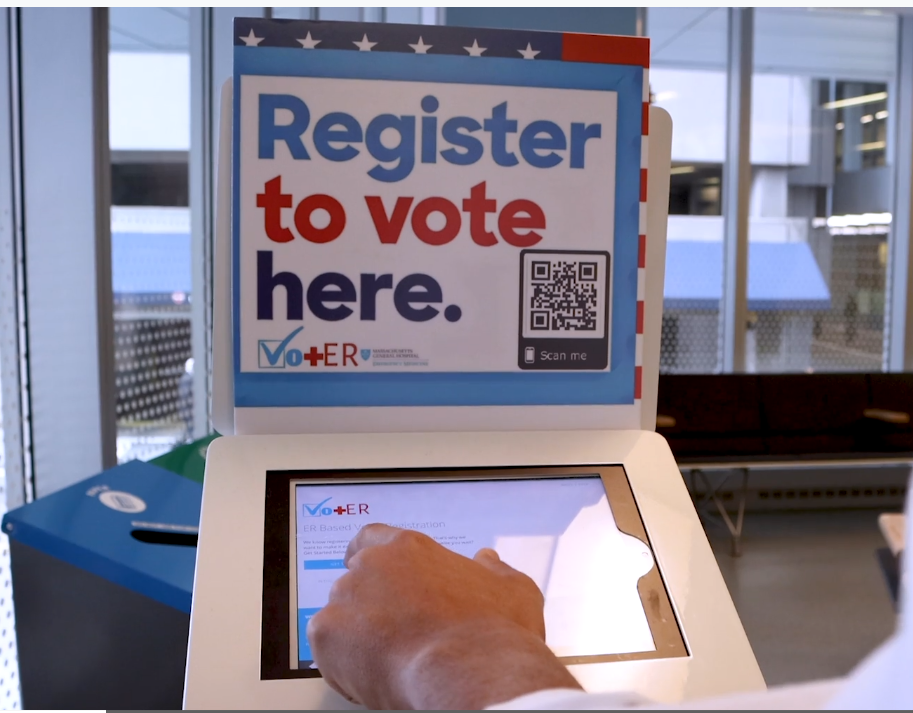
Marginalized patient populations in the United States use emergency rooms at disproportionately higher rates than the average patient population. This high rate of utilization is due largely to a lack of accessible alternative options rather than an actual increased need of critical care. In other words, patients who are young, people of color, and have […]
How is technology changing the public sphere?
Social Innovation and Philanthropy
Can social innovation help solve public challenges?
How can governments create sustainable energy policies?
How do gender, race, and class influence policy outcomes?