Education, Training and Labor
How are technological innovation, globalization, and other factors changing how we educate and train people? Can closing opportunity gaps lead to academic excellence and a stronger labor force?
Latest Article
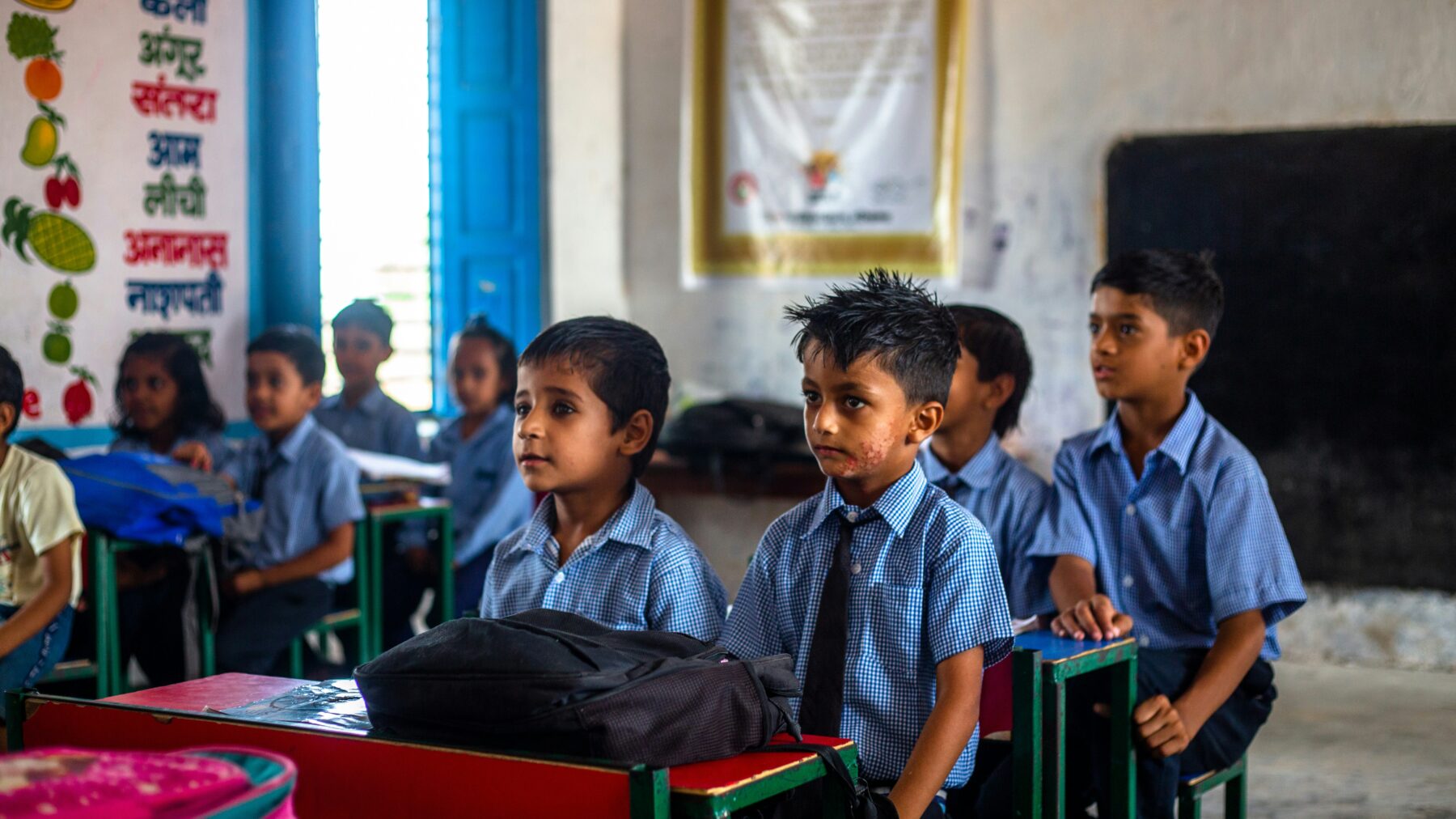
To Prevent Violence in Schools in India, We Must Invest in Boys
If we want to reduce violence against all children today and interpersonal, gender-based violence in the future, we must work directly with boys, the group most often turning to violence as a tool of communication.Explore all Articles
filter by–Region
filter by–Country
search by–Keyword
Higher Education Access: Filling in the Cracks versus Rebuilding the Foundation
10.15.19
Accessing the American College Dream There is a persistent and aspirational narrative in the United States that no matter what circumstances one was born into, college can be the great equalizer of opportunity. Imbued within this narrative are two main beliefs. The first is that the United States is a meritocracy where the cream will […]

When Trauma-Informed Pedagogy Is Not Enough: The Need for Increased School-Based Mental Health Services in Public Schools
10.8.19
“Where I live, people don’t call the police.” There’s a palpable stillness in the room. Thirty-five pairs of adolescent eyes are fixed on Mariely[1] as she quietly, bravely describes witnessing a man get stabbed in front of her house, feeling unable to call the cops for help. Some students silently gesture with their pinkies outstretched […]

Arts Education: A Human Right in Kenya?
09.12.19
I recently met with a young Kenyan thespian traveling throughout the U.S. in search of a career in the arts. As we reminisced about his college days, he expressed some regret that his education did not include classes that would have adequately prepared him for a successful career in his chosen profession, despite having attended […]
The Limitations of Subject-Based Banding: What About Single-Stream Schools?
06.11.19
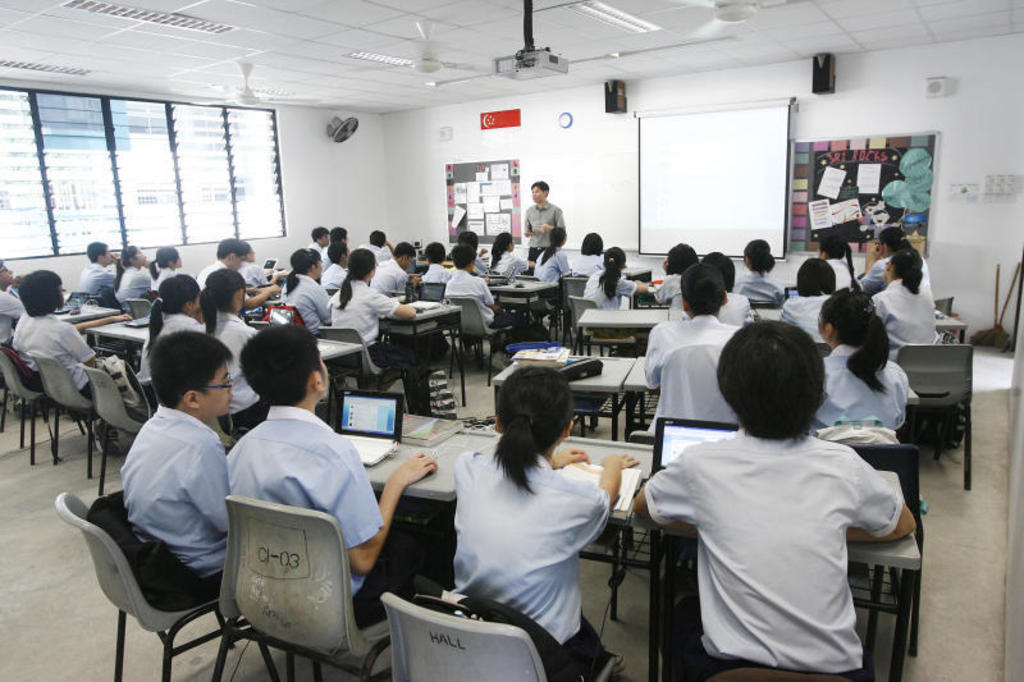
Much of the debate on MOE’s recent moves to integrate schoolmates of different academic streams via Subject-Based Banding (SBB) has focused on whether SBB will be effective, or what the implementation of SBB will look like. However, one underdiscussed aspect of MOE’s policy change is its lack of impact on single-stream schools. Izzah Haziqah Haris explores why this is a problem, and potential policy options to deal with this issue.

Should We Abolish SAP Schools?
06.4.19
Since 1979, the Special Assistance Plan (SAP) program has promoted the study of Chinese language and cultural values at 26 primary and secondary schools. By tracing the history of the program, Shaun Loh makes a case for why the SAP program in its current form is problematic, and argues that it should either be abolished or significantly reformed.

Making Welfare Work: Building a Culture of Care in the UK
05.14.19
At the end of October, Britain is set to exit the EU. With no deal currently in place, and uncertainty over how trade tariffs and the movement of goods will be impacted, there is increasing anxiety in the United Kingdom about the availability of food, fuel, and medicines. Although such provisions are typically the responsibility […]
Kamala Harris Wants to Raise Teachers’ Salaries. Students Would Be the Real Winners.
05.7.19
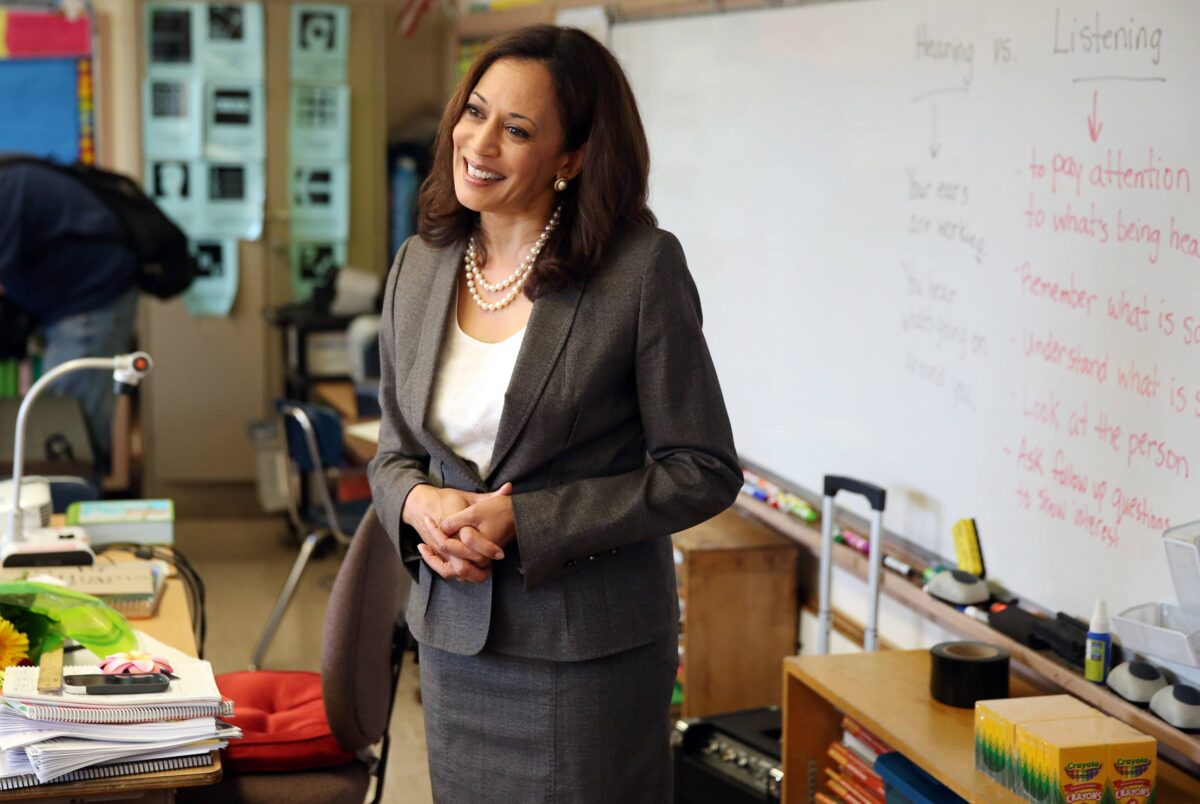
America’s teachers deserve a pay raise and Kamala Harris wants to give it to them. Outing yourself as a teacher to new acquaintances is often met with responses typically reserved for those in the military: “Thank you for your service.” Or: “Your work makes a difference.” We are not war heroes, but teachers do provide […]

Mending our Meritocracy: Socioeconomic Affirmative Action in School Admissions?
03.24.19
Singapore’s growing class divide presents challenges to its espoused meritocratic ideals. Samantha Wong, Toh Wei Lun and Amelia Woo consider proposals akin to “affirmative action” – namely the use of quotas and nominations in school admissions – to address educational and consequently socioeconomic disparities.

Letter: Subject-Based Banding is Not the Escalator We’re Looking For
03.20.19
On the topic of subject-based banding, Andrew Chia responds to Lionel Oh’s Op-Ed by laying out potential practical difficulties in overhauling the existing streaming system, showing how these obstacles could undermine the effectiveness of such a change.

Moving Beyond Streaming: Will Subject-Based Banding Work?
03.8.19
Singapore plans to replace streaming in secondary schools with subject-based banding by 2024. Lionel Oh explores how this banding could be implemented in a flexible yet substantive way that best captures the spirit of the policy intent, so that it does not simply become yet another form of educational stratification.

Reach Higher for Higher Education Achievement
02.22.19
THE 2020 NORTH STAR This March will mark ten years since President Obama gave his first major speech about education. In this speech, President Obama referenced the North Star goal for his education policy: that by the year 2020 the United States would once again lead the world in terms of the proportion of young […]
Character Reform: Egypt’s Year of Education
02.21.19
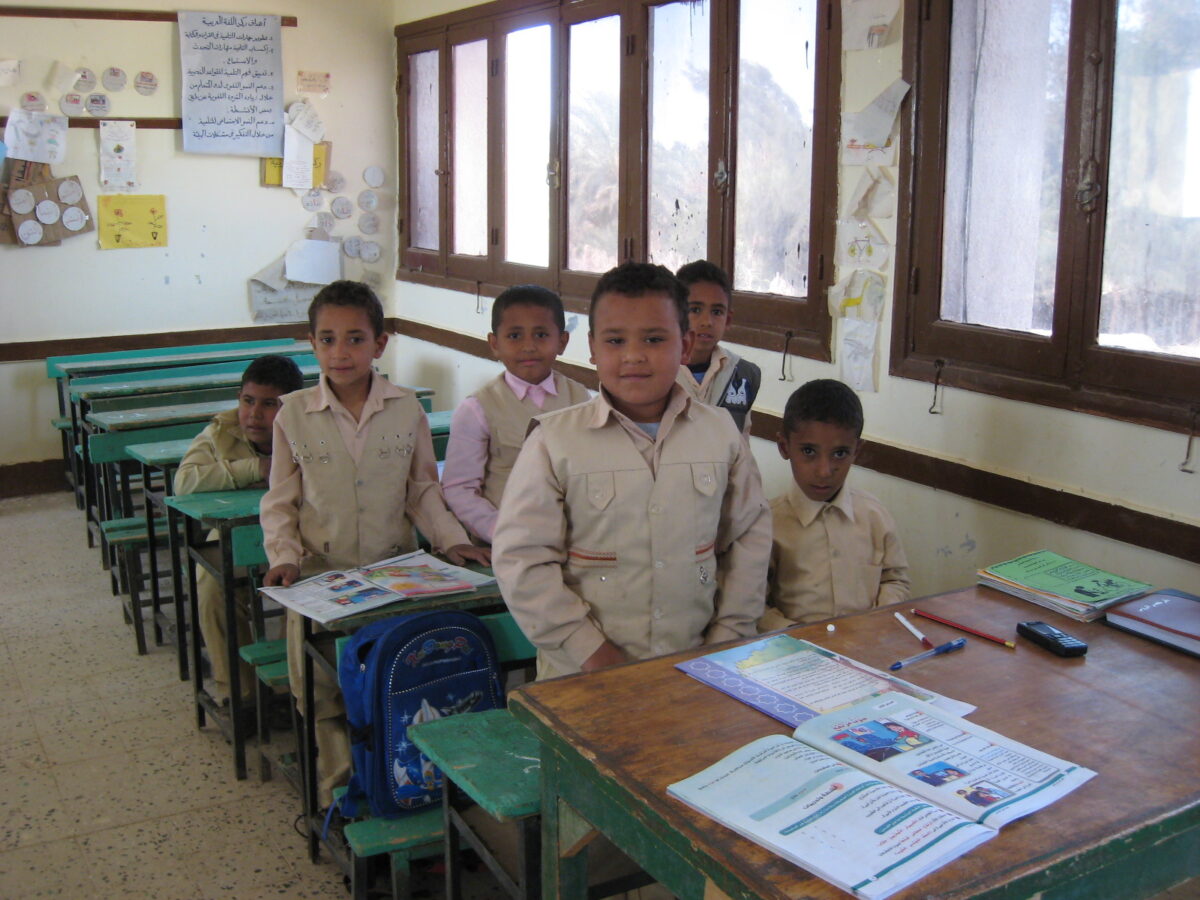
Egypt begins its Year of Education with an ambitious initiative in partnership with Japan that could shift Egypt away from its test-centric education model. Yet, critics worry about the emphasis on conformity and group cohesion in the new curriculum.
Development and Economic Growth
How do developing economies create opportunity and growth?
How do gender, race, and class influence policy outcomes?

How is technology changing the public sphere?
How do we create strong, healthy, and just societies?