
Democracy and Governance
Why are democracies across the globe under pressure? How do societies grapple with evolving concepts of justice, equality, freedom, and representation?
Latest Article

Modernizing Greece: Turning Digital Reform into Democratic Renewal
The far-reaching corruption scandal engulfing Greece’s agricultural subsidy system (OPEKEPE) has once again exposed deep institutional failures, but it also opens a crucial question: what can recent digital reforms tell us about the possibility of democratic renewal?Explore all Articles
filter by–Region
filter by–Country
search by–Keyword

Republicanism is just the first step. True independence for Barbados demands transformative change.
06.20.22
On 30th November 2021, Barbados became a republic. Nearly 400 years after the first British ship arrived on the island, and exactly 55 years after independence from British colonial rule, Prime Minister Mia Mottley conducted a ceremony replacing Queen Elizabeth II with Dame Sandra Mason as the head of state. Bells chimed across the capital, […]
Shincheonji and Religious Policy in Singapore
06.16.22
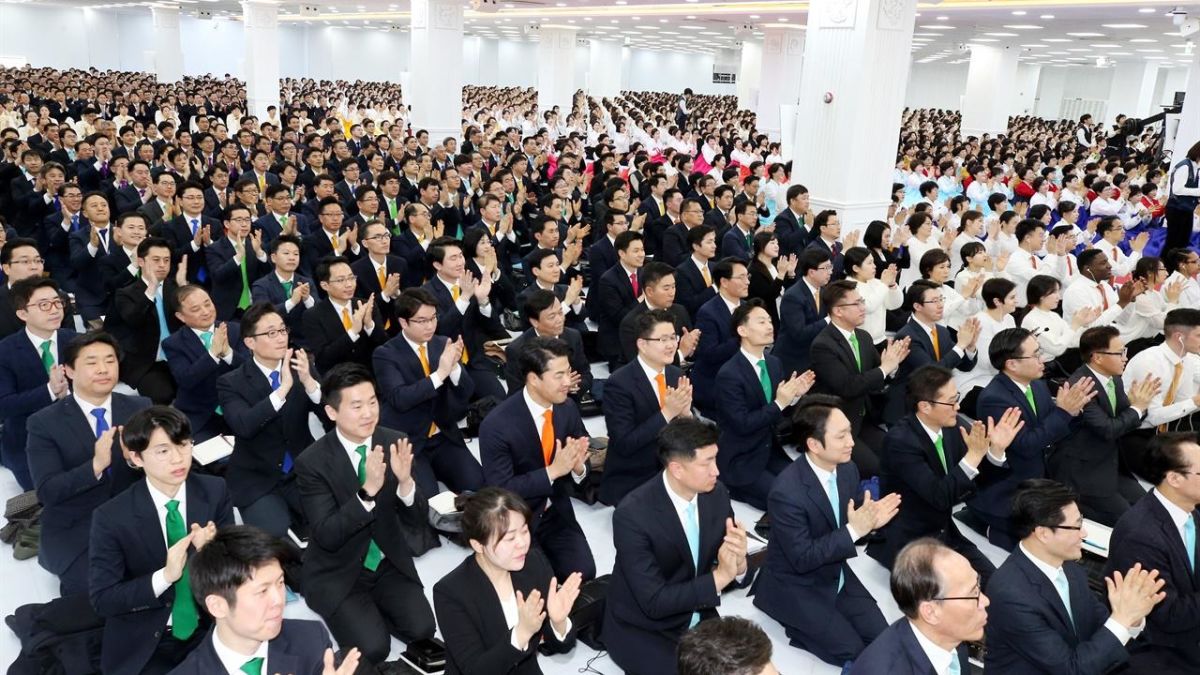
At present, Singapore is the only country to have taken steps to dissolve a local chapter of South Korea’s Shincheonji Church. Jonathan Chan uses this decision as a lens to probe the state’s approaches to religious management. He argues that Shincheonji failed to align with Singapore’s model of multi-religious toleration, in particular through its lack of transparency about its intentions and motivations. This was seen as potentially causing fissures within families and Christian denominations, prompting the government’s intervention in dissolving the chapter.
Singapore’s omission from “Summit for Democracy” is a blessing in disguise
04.29.22
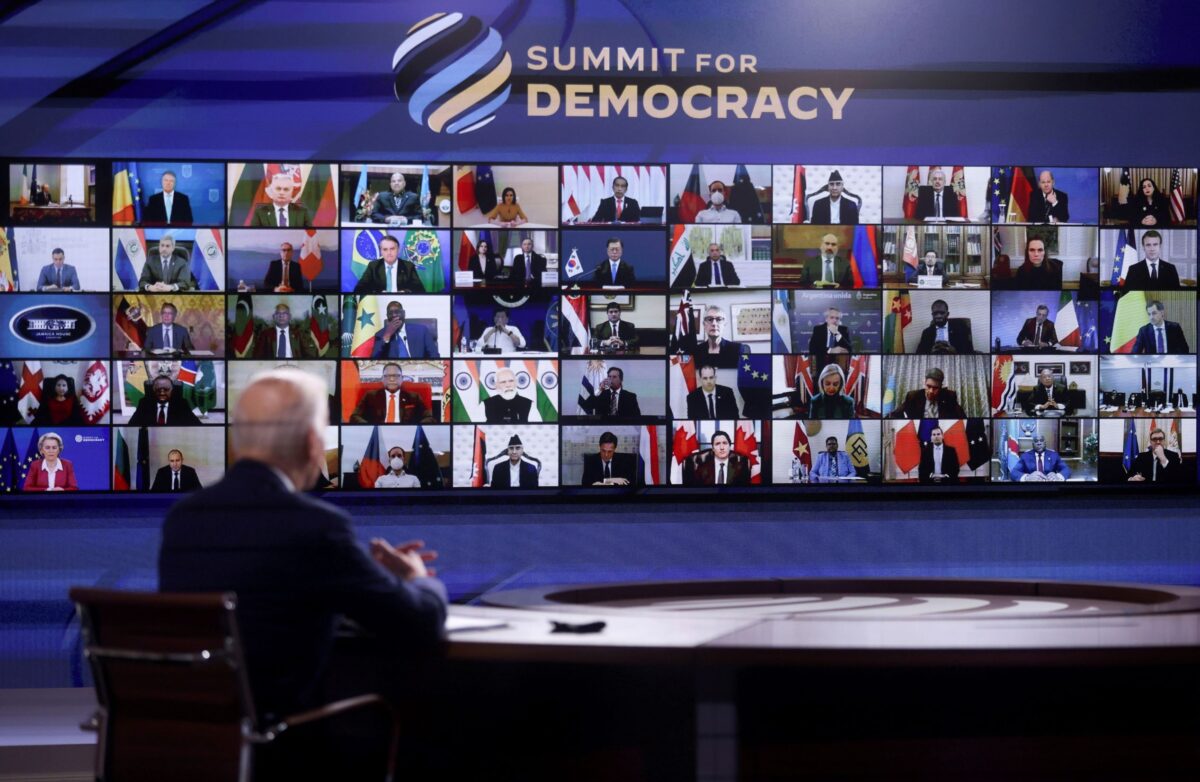
Ng Qi Siang argues that it was ultimately beneficial for Singapore to be omitted from the US-organized Summit for Democracy in December last year. By highlighting key characteristics of the summit, he shows how Singapore’s participation is likely to signal a weakened commitment to its foreign policy principles, which includes the city-state’s commitment to non-interference in the internal affairs of other states and the pursuit of good relations with all who wish to work with it. He then discusses great-power tensions between the US and China, and how Singapore’s non-participation in the summit aligns with its strategy to navigate a more polarised world order.

Saied Grab of Power Between Popular Sovereignty and Constitutional Legitimacy: A Déjà-vu Tunisian Legitimization Dilemma
09.5.21
In the judicial construction of contracts, ambiguities are construed against the drafter based on the canon of “Ambiguitas contra stipulatorem est.” On July 25th, 2021, the Tunisian president Kais Saied imported this technique to constitutional law by dismissing the Prime Minister (PM) and suspending the parliament chaired by “Rachid AL Ghannouchi,” the head of Ennahda […]
Wrong Again: The Supreme Court Gives Undue Judicial Deference to National Security in Korematsu and Trump v. Hawaii
04.16.21
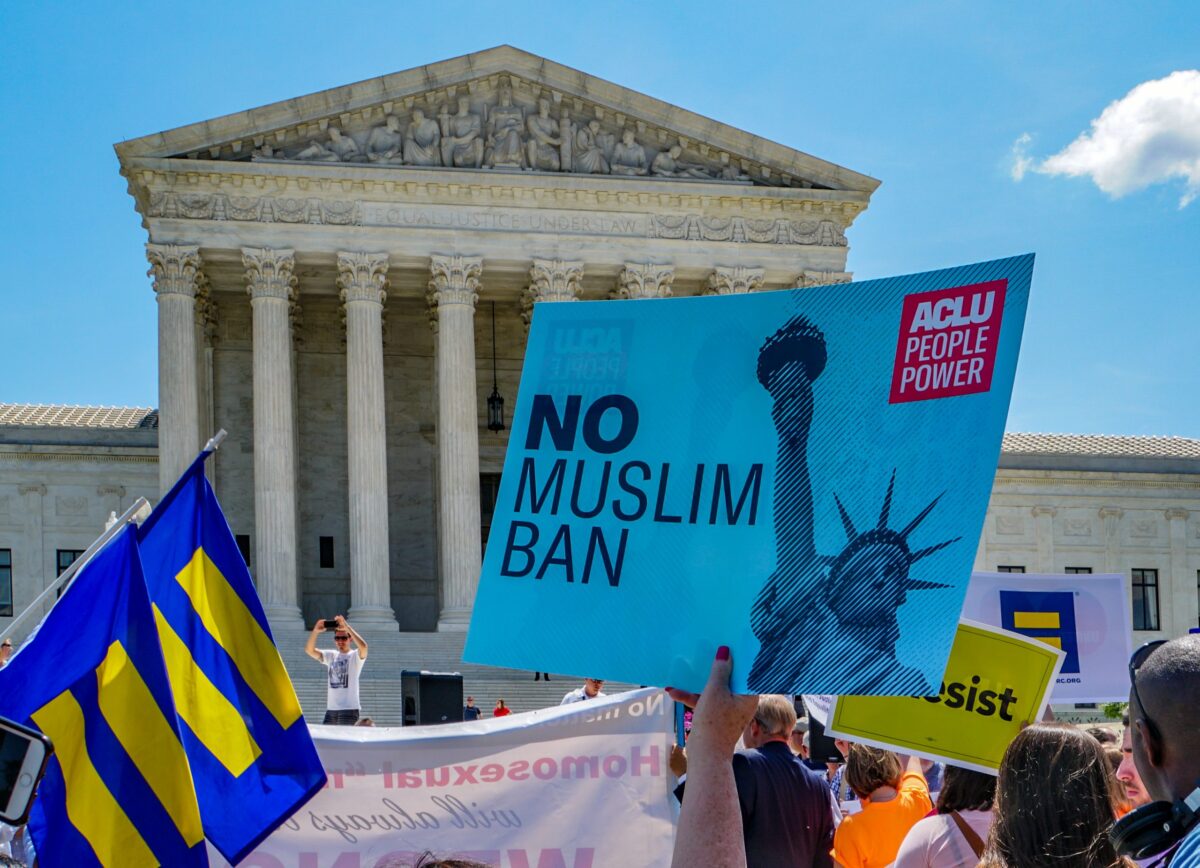
This article compares the wartime Supreme Court’s complete deferral to the government’s justification for the detention of Japanese Americans to argue that the modern Supreme Court repeated a similar tragic mistake almost seventy-five years later in Trump v. Hawaii. Introduction Without question, the Japanese American internment experience is relevant to the post-9/11 war on terror […]
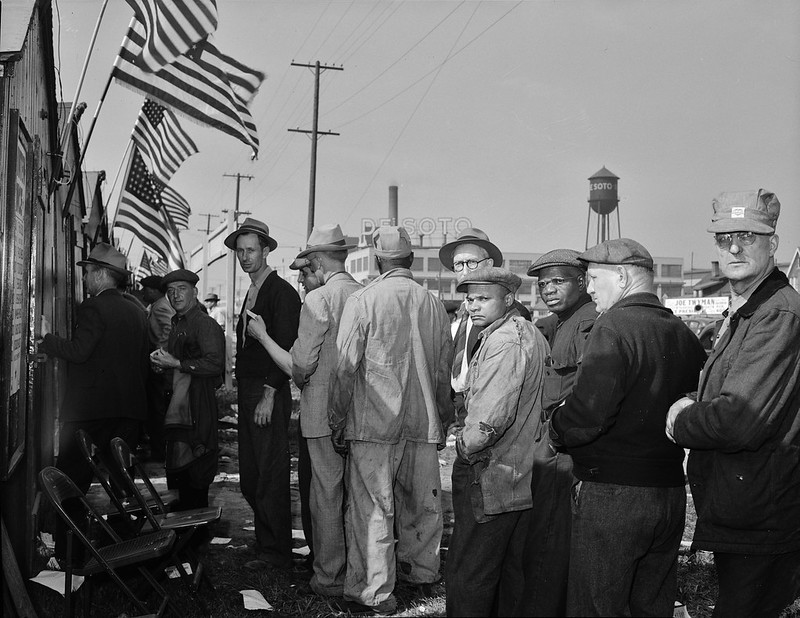
To Meet His Rhetoric on Race, Biden Needs to Repeal Taft-Hartley Union Laws
04.13.21
Passing the PRO Act offers one of the surest routes to build a cross-race coalition in the US.

Informal Control of the Turkish State: Lived Experiences from Kurdish Borderlands
04.13.21
Dilan Okcuoglu’s “Informal Control of the Turkish State: Lived Experiences from Kurdish Borderlands” is part of JMEPP’s upcoming Spring 2021 edition, Beyond Borders: Middle East in Empire, Diaspora, and Global Transitions. The full edition is expected to come out on April 30, 2021. “In 2009, we planted our wheat in front of Turkish soldiers; they […]

In TraceTogether We Trust: Singapore’s Challenge with Data Governance and Ethics
04.2.21
Sarah Anderson and Lionel Oh highlight existing gaps in Singapore’s current legislative and bureaucratic structures for managing data and digital technology. They argue that these concerns extend past any single product or incident; because of the importance of building public trust in the government’s use of digital technology, transparency, privacy, and other ethical considerations should be a fixture of technology policy. The authors also provide recommendations on how these data ethics concerns might be addressed through augmented workstreams which introduce procedures and safeguards for government technology.

[Sustainability Series] An Interview with Melissa Low: Part One
03.12.21
In SPJ’s very first interview series, we speak with Melissa Low, a research fellow at the Energy Studies Institute (NUS). As momentum builds up for a more comprehensive climate policy in Singapore, Melissa shares with us her views on sustainability in Singapore. This article is the first of a two-part series and focuses on domestic issues including existing challenges and the rebranded Ministry of Sustainability and the Environment (MSE).

You Can’t Fix What You Don’t Understand: The First Step in Democratic Reform
03.10.21
Democratic reform requires robust civic education first.
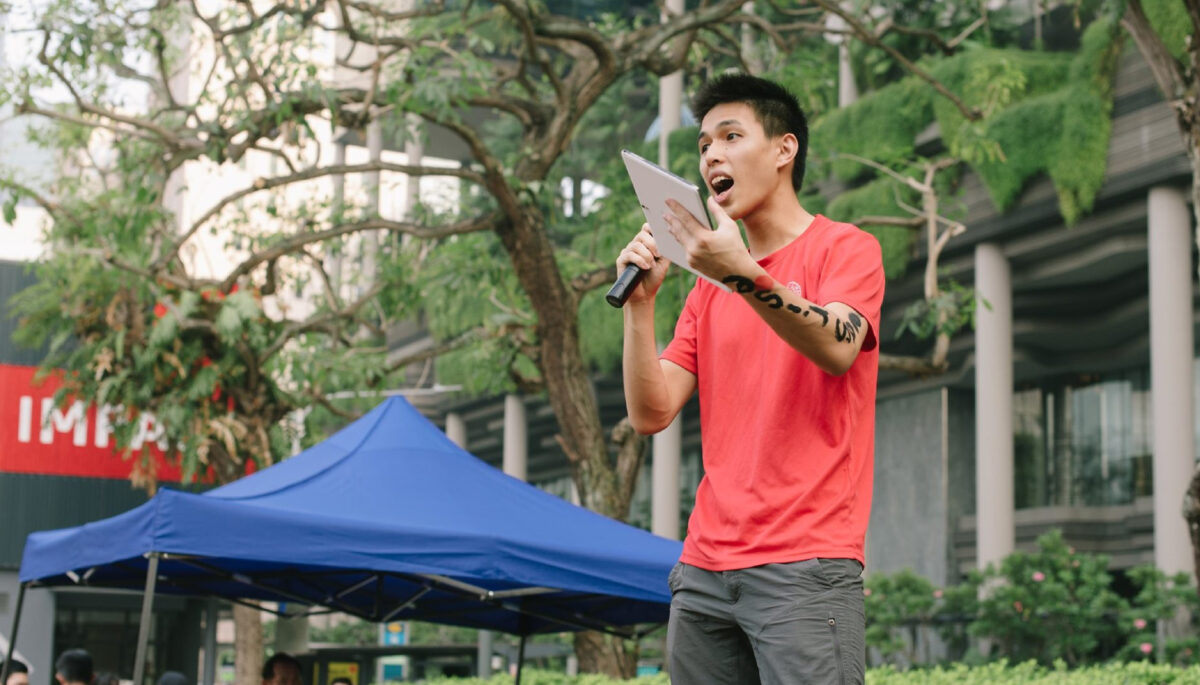
A Growing Government-Ground Divide
11.13.20
Kwan Jin Yao analyzes the perceived deficiencies in the government’s engagement with youth. In this piece, he provides an overview of the trends that have facilitated youth civic and political engagement in Singapore, and the ideological bases that underlie this government-ground divide. He ends off on a hopeful note — with concrete ways that this divide can be bridged.

In Guarding Democracy, Hindsight Really Will be 2020: The Tabletop Exercise as a Model for Securing American Elections
10.15.20
When it comes to securing US elections against foreign interference, training humans may be the best investment.
How do we improve access and opportunity for all?
What happens at the intersection of politics and policy?

Public Leadership and Management
What will it take to restore public trust in leaders?

How do we create strong, healthy, and just societies?