
Explore all Articles
filter by–Region
filter by–Country
search by–Keyword
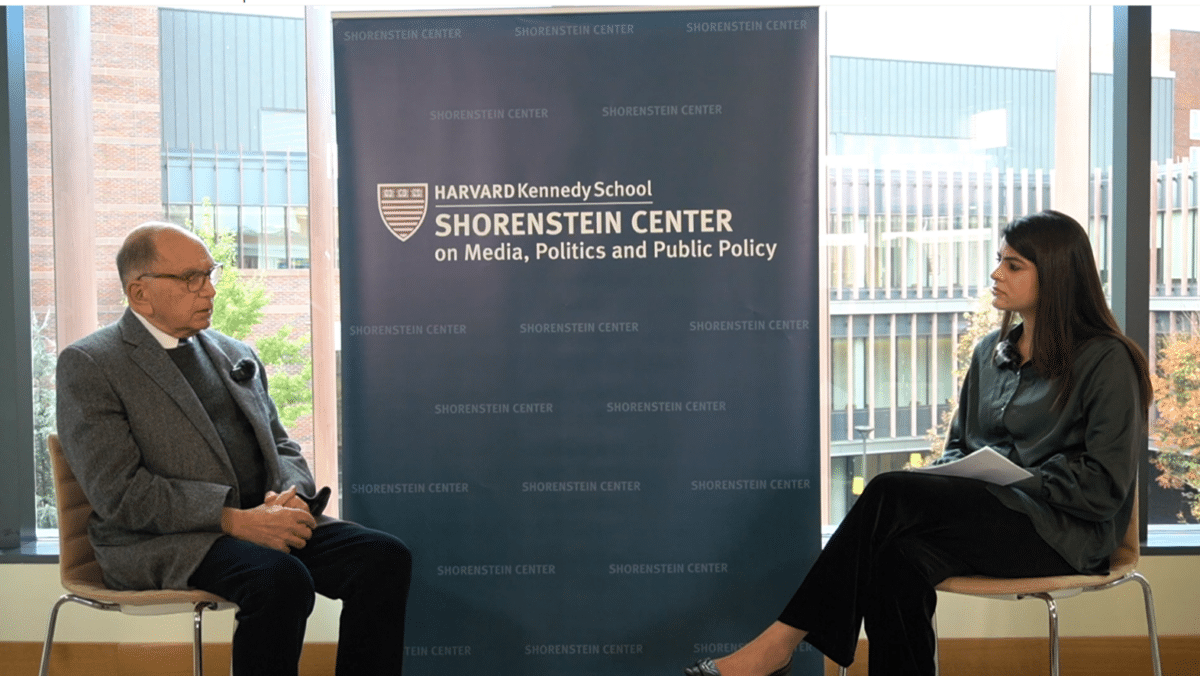
Interview with U.S. Ambassador (Ret.) Djerejian: U.S. Response to the Israel-Hamas War
11.8.23
On November 3, 2023, HKS Student Policy Review Senior Editor Samriddhi Vij sat down with former U.S. Ambassador to Israel and Syria, Edward Djerejian, to discuss the Israel-Hamas war.

Interview with Former Tunisian President Moncef Marzouki
11.3.23
On November 29th, 2022, HKS Student Policy Review Senior Editor Samriddhi Vij sat down with the former President of Tunisia Moncef Marzouki to discuss democracy in the Arab world, with a special focus on civil movements and women’s rights.
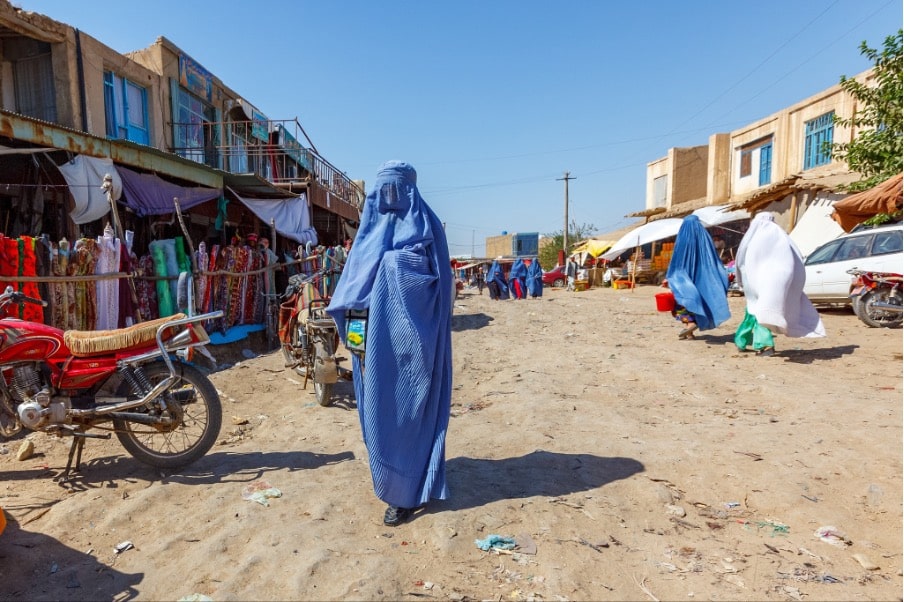
Aiding Afghans without Aiding Taliban
10.27.23
The goal should be to support the Afghan people, especially women, in their quest for dignity, freedom, independence, and human rights, while minimizing the risk of providing legitimacy and resources to the Taliban.

What Carbon Market Debates are Missing
07.18.23
Carbon markets can be understood as a three-legged stool on which part of our climate goals rests; if one of the legs is missing, the stool falls. Unfortunately, today’s carbon market debates focus on two of those three legs whilst ignoring the other.

The Need to Implement an Age Restriction on U.S. Dietary Supplements
07.15.23
Young people are especially susceptible to abusing weight loss supplements. Age restrictions will protect them.

To What Extent is Singapore a “Middle Power” in the Indo-Pacific?
07.15.23
Elements of Singapore’s foreign policy qualify it as a “middle power,” as per de Swielande’s (2019) theory of regional powers in the Indo-Pacific. This paper addresses the predominance of studies on India, Australia, Indonesia, and South Korea in the literature, as the typical middle powers in the Indo-Pacific (de Swielande, 2019). Small states are frequently […]

Towards Human-Centered AI: How International Harmonization Can Help Prevent the Loopholes of AI Regulation and Black Markets for Malicious AI
07.15.23
As AI continues to reshape our world, forging a comprehensive legal framework becomes crucial to steer AI’s advancement in a globally responsible and ethically sound direction, which ultimately should be supported by customary international law so that the responsibility fall equally on all countries.

Medical Personnel Uninformed of Reproductive Law: How Bolivia’s Neglect for Abortion Rights is Endangering Pregnant Individuals
07.14.23
How difficult is it to get a legal abortion in Bolivia? Well, as shown by a recent ordeal an 11-year-old child had to go through, it took weeks of mass national protests, government intervention, and international media attention.
How Congress Should Regulate AI in the Short-term
07.14.23
Congress must take the existential risks of AI seriously and deploy pre-existing risk assessment tools and regulations to better understand, monitor, and mitigate those risks.

The Importance of Aggregate Climate Data for Global Climate Progress From Emerging Economies
06.28.23
Harmonized data lies at the heart of the climate agenda, but do we pay enough attention to the development of the figures that we see? Do we ever question how the figures are calculated?
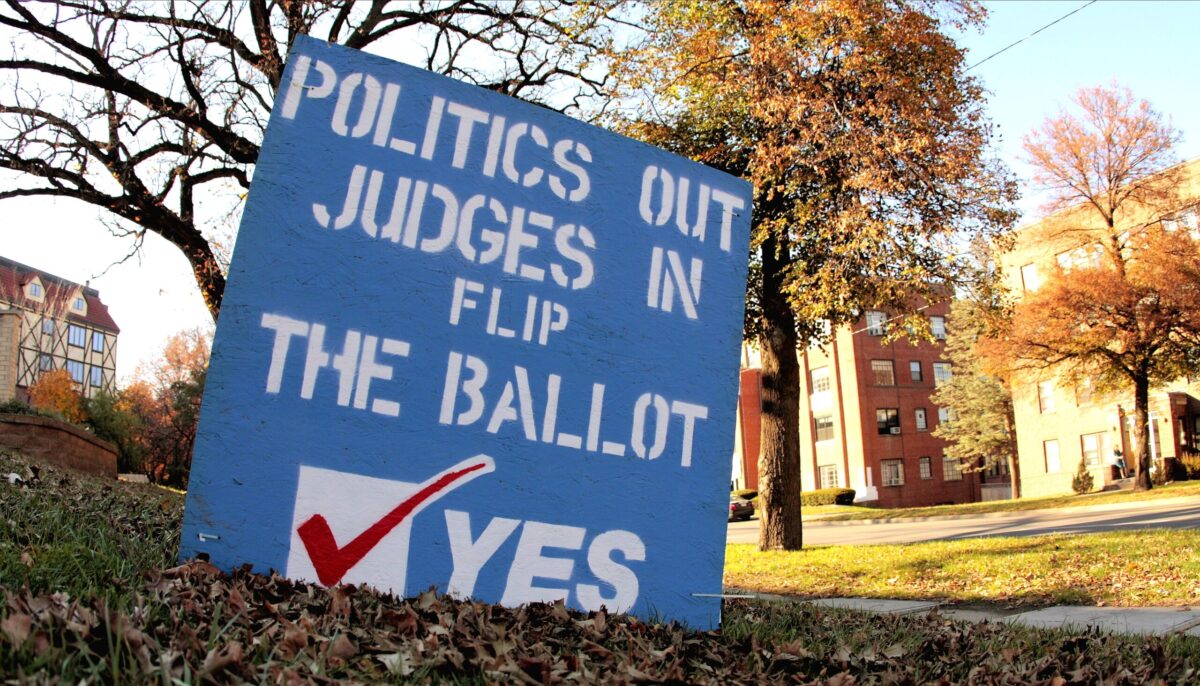
Special Interests’ Hold on State Courts: The Need for a Fourth Wave of Judicial Election Reform
06.25.23
History presents a clear lesson: when judicial independence and competence wanes, it’s time for meaningful reform.

A House Built on Sand: The Future of Privacy in the US
06.21.23
To borrow a famous legal quip, American privacy is protected merely by a thin layer of common decency, public policy, legislative safeguard, and judicial concern–a four-walled house built on, and of, sand.