Explore all Articles
filter by–Region
filter by–Country
search by–Keyword
The Case For Incorporating Social Analysis Into Policy Design
02.24.20
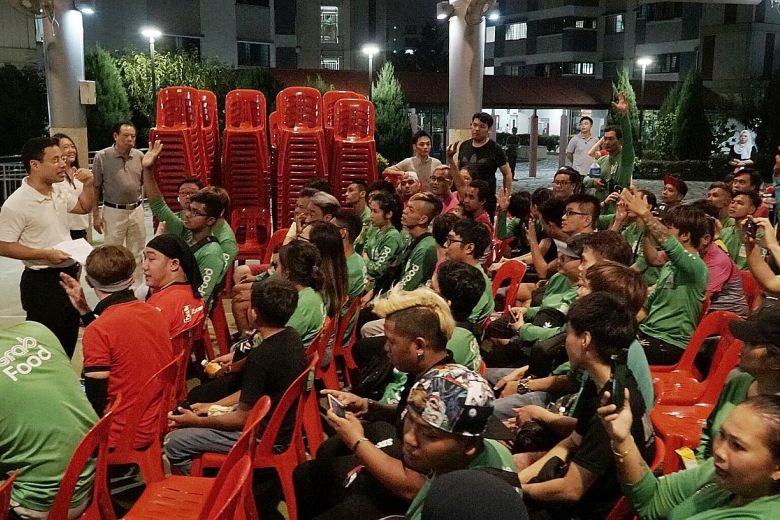
Paul argues that policymakers need to move beyond numbers-driven, utilitarian logics of decision-making and incorporate a human-centered approach to policy-making. Drawing from Teo You Yenn’s seminal work on the need to understand issues like inequality as lived experiences rather than just statistical data, Paul considers the benefits of a social analysis approach and examines the ways in which it can be implemented in Singapore.

Citizens of HKS: Susan O’Malley
02.21.20
Susan sent this photo to us with the caption, “Big smile”, which cracked us up and put an (actual) big smile on our faces. Susan sat down with The Citizen for the inaugural Citizens of HKS post, where we chat with HKS staff who we see every day, who make our education possible, but who […]
Taming Tech Giants Requires Fixing the Revolving Door
02.18.20
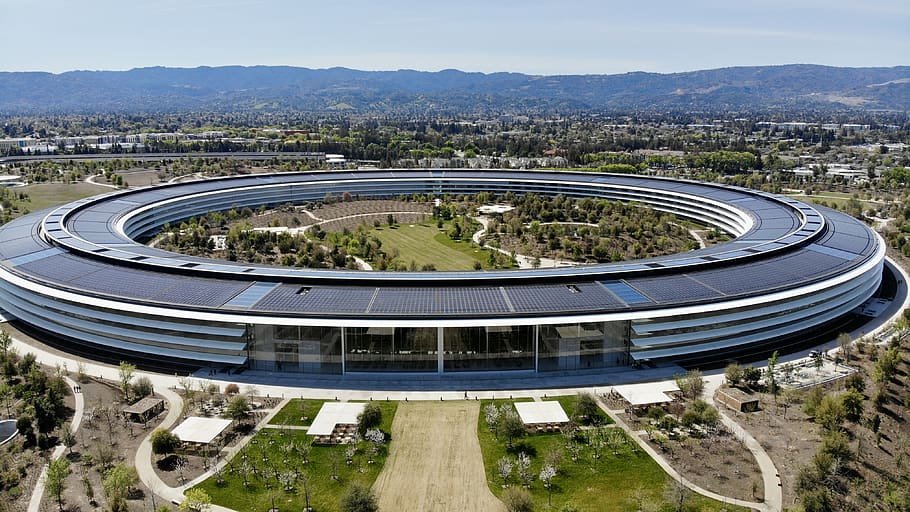
Public opinion of big tech is at an all-time low. Just a few years ago, many viewed Silicon Valley as holding the promise to a better world, whereas today its largest companies generate levels of public distrust usually reserved for investment banks. This is good news for those hoping to see public policy in the […]
A circular economy for all: The case for integrating the informal waste sector in developing countries
02.17.20
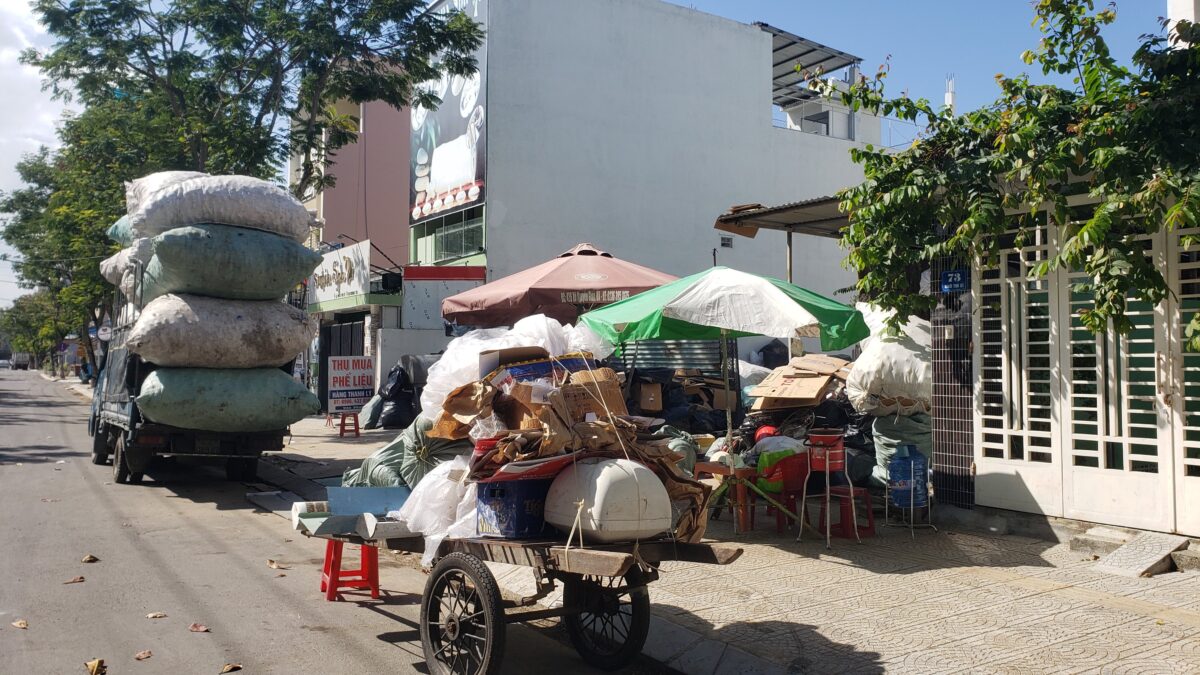
To outsiders, Minh Khai Village in Vietnam is an assault to the senses; bales of plastic waste line its streets, waterways are deluged with litter, and toxic fumes permeate the air. Minh Khai is believed to be the largest plastic waste importer in the country[1]. It is made up of more than 1000 households, which […]
First Institutional Anti-Racism and Accountability Conference Dissects HKS
02.14.20
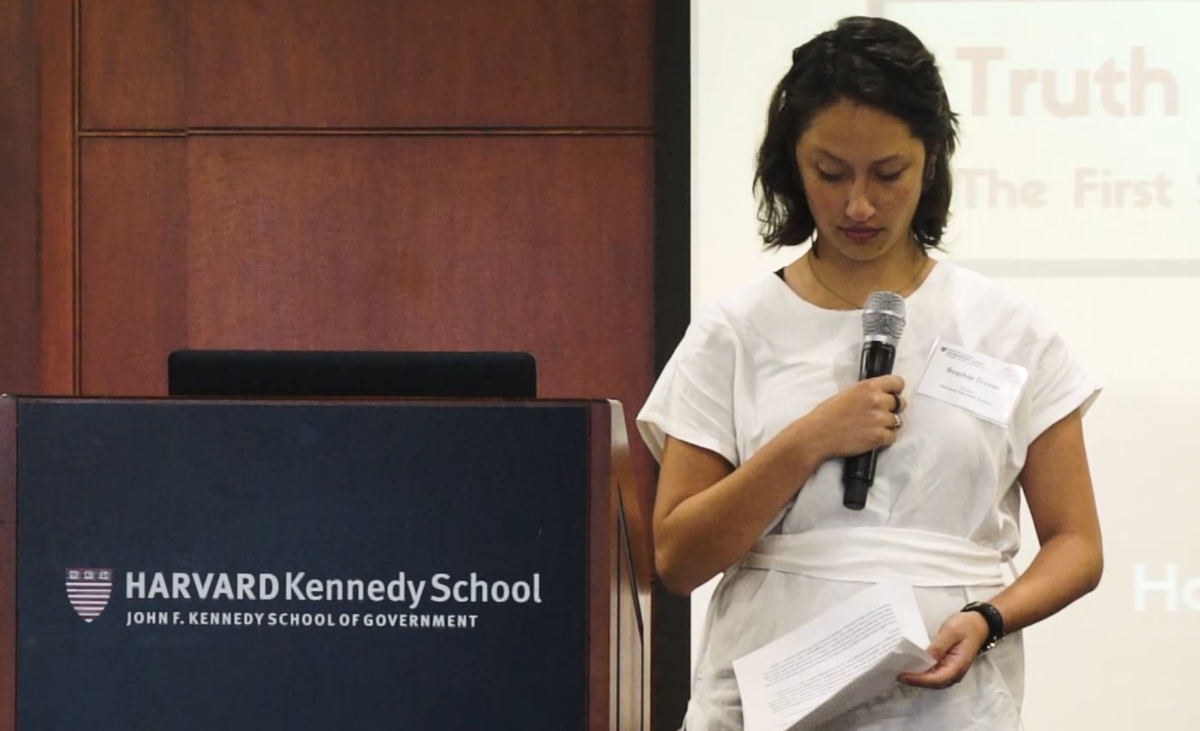
[googleapps domain=”drive” dir=”file/d/1wO1zLupXfb88Ypp6mswGRtQnE-MsVg2q/preview” query=”” width=”640″ height=”480″ /] On October 16th the Institutional Anti-Racism and Accountability project (IARA) hosted its first conference on the topic of “Truth and Transformation: the First Step Towards Institutional Change.” The conference’s goal was to explore and examine how understanding and engaging with institutional history impacts organizations when forging a […]

S3E4: (Th)interventions for (Th)inspiration? Policy Responses to the Rise of Pro-Anorexia Websites
02.13.20
Listen Here! We know about the dangers of the Dark Web, but what about the Thin Web? First Year Kennedy School Students Lucy O’Keeffe and Nagela Nukuna sit down with Andrea Alvarez Marin to discuss vulnerable corners of the internet where eating disorders such as Anorexia (“Ana”) and Bulimia (“Mia”) proliferate. Some of these “pro-Ana” […]
A Prescription for Change: Voter Registration in Emergency Rooms
02.13.20
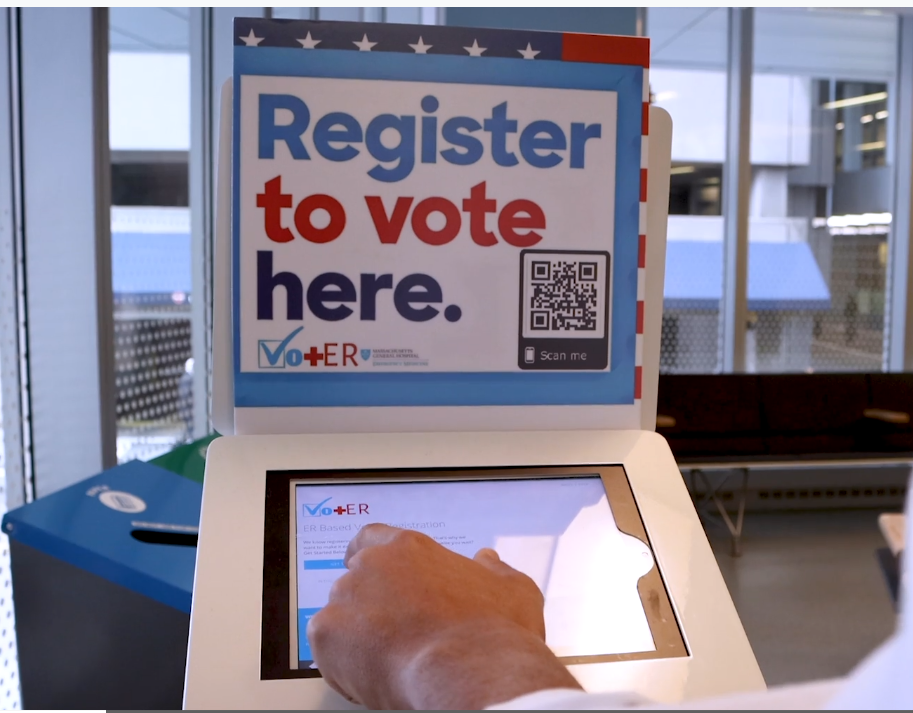
Marginalized patient populations in the United States use emergency rooms at disproportionately higher rates than the average patient population. This high rate of utilization is due largely to a lack of accessible alternative options rather than an actual increased need of critical care. In other words, patients who are young, people of color, and have […]
Toward an LGBTQ+ Inclusive History Curriculum in Massachusetts
02.12.20
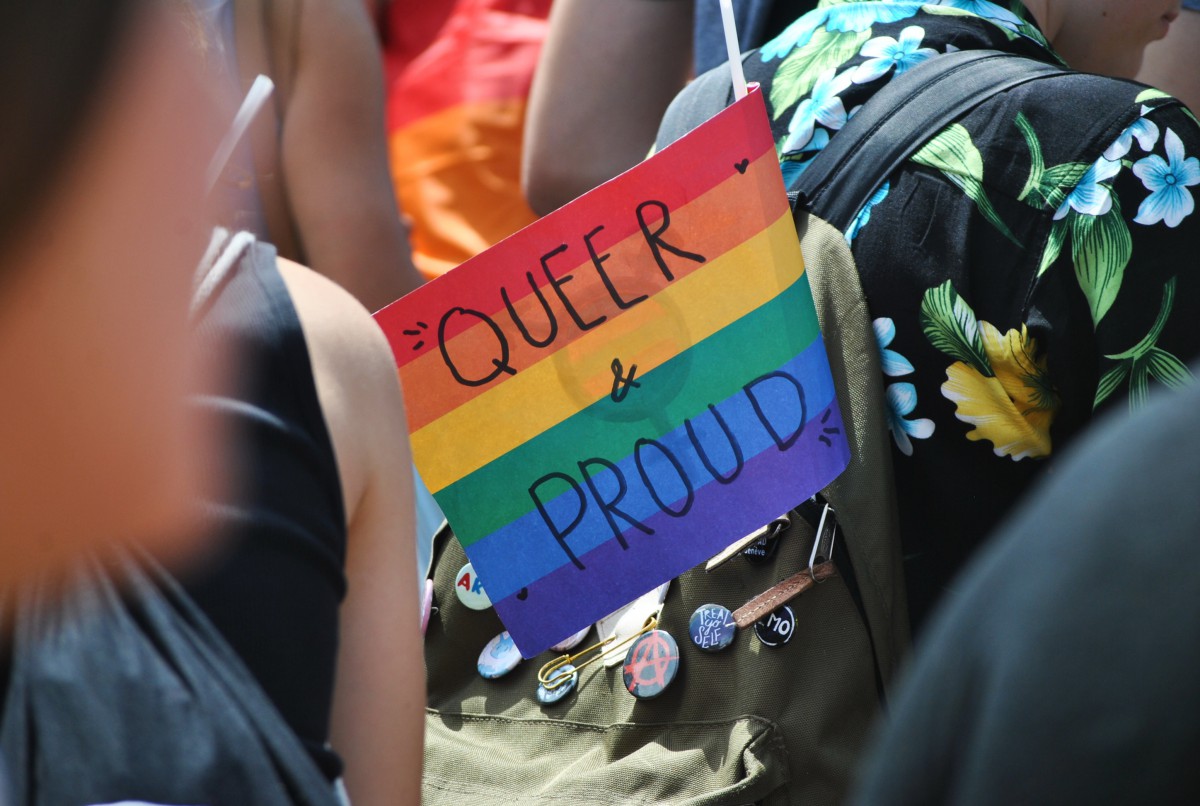
In my senior year of high school, I spent months gathering everything I could find on LGBTQ+ history for a research presentation. As the day approached, I panicked. It wasn’t that I feared my classmates would explicitly belittle me during the presentation, but rather a feeling of isolation. No one had ever spoken about […]

Civil Society: A Key Player in the Global Fight Against Misinformation
02.7.20
Editor’s Note: Information for this article was obtained primarily from interviews by the authors. Names and identifying information have been withheld in some cases to protect the identity of the interviewees. In the aftermath of the 2016 US presidential election, reports of Russian interference and accusations of biased news coverage gave rise to a renewed […]

Coercion and Enticement: How the Indian Media Lost Its Soul to the BJP
02.6.20
Since the Bharatiya Janata Party (BJP) won the general elections in 2014, India’s media has precipitously fallen from grace. The media’s depreciation is intertwined with the rise of the BJP’s controversial Hindutva agenda. Hindutva, an ideology of the BJP and other right-wing groups in India, aims to establish Hindu hegemony in India. Under BJP rule, […]

Is Queerness a White Invention?
02.2.20
This piece was published in the 29th print volume of the Asian American Policy Review. This blurring of boundaries in all forms is what makes Southeast Asia, as a whole, “queer.” And this is our gift that we can share with the world. For we were queer before the word existed. Abstract Many queer Asian Americans […]

Why Are So Many of Us Secretly Depressed? Excavating the Layers of Asian Americans’ Struggle with Mental Health
02.2.20
INTERVIEW OF J.R. KUO This piece was published in the 29th print volume of the Asian American Policy Review. Our parents, immigrants, they left the country because they want a better life for themselves and for their kids. They have been in survival mode. Their whole life they don’t have the luxury to talk about mental […]